

Archaeological Observation, Shepton Mallet
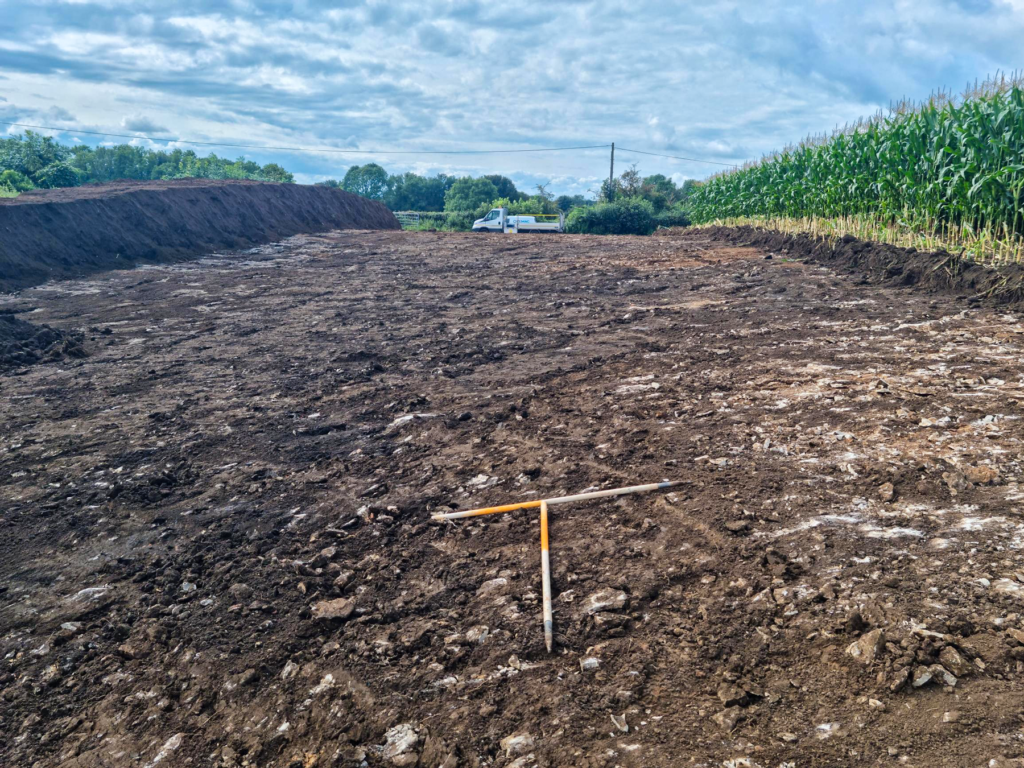
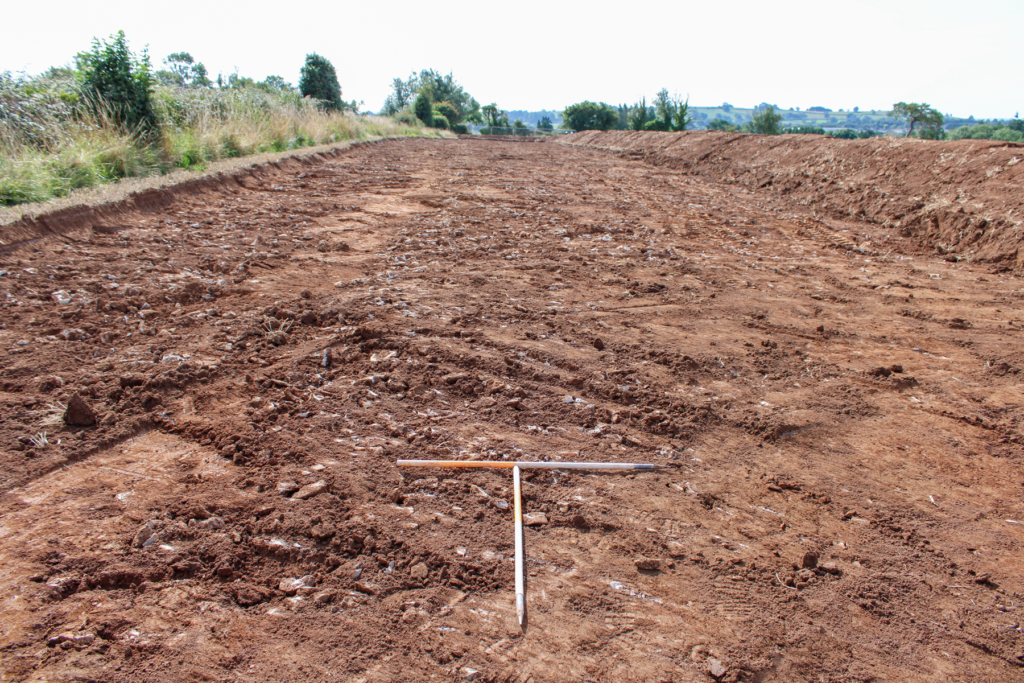
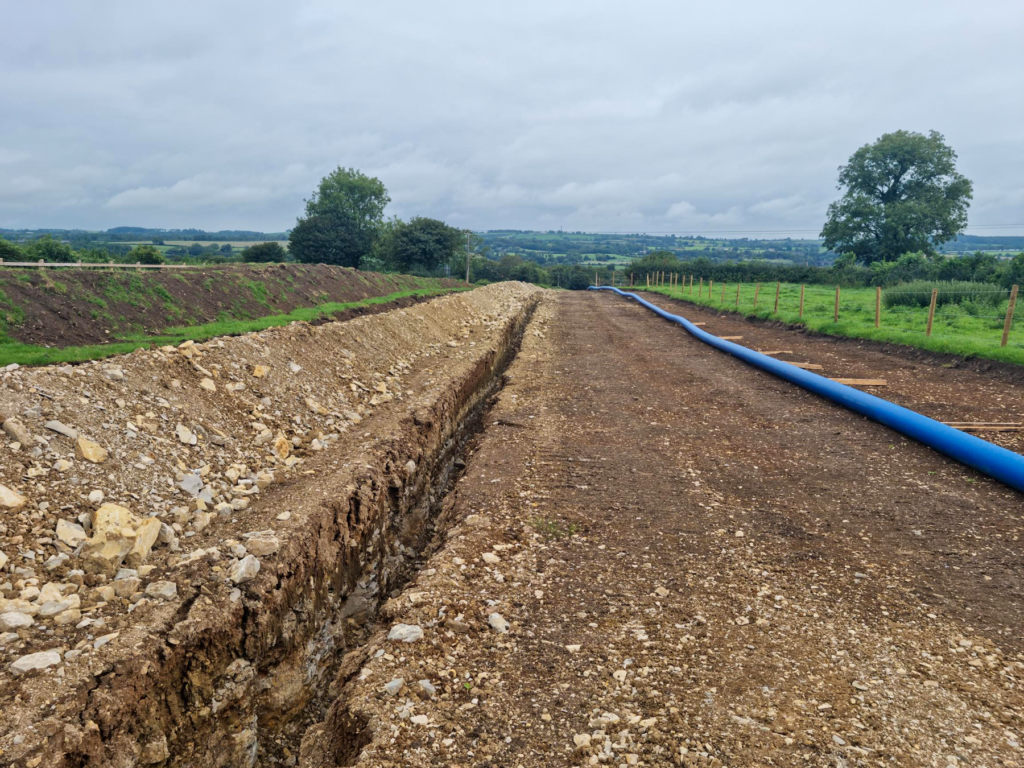
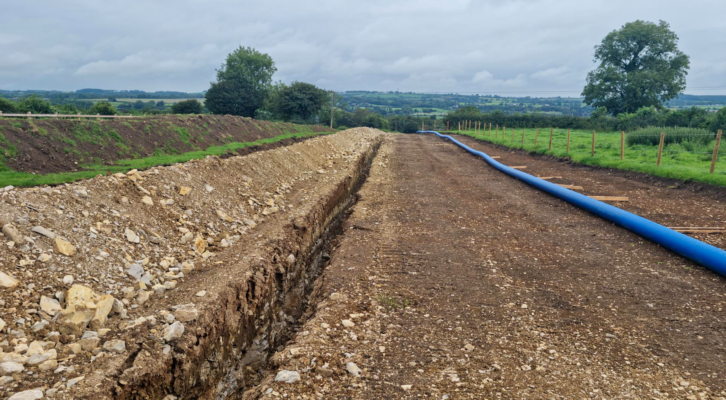
Archaeological Observation across roughly 2km of pipeline was undertaken along the northeastern and southwestern outskirts of the historic town of Shepton Mallet.
In Brief
Key Points
- Programme of Archaeological Observation
- Presence of Mesolithic/Neolithic flint manufacturing and repair
- Area of post-medieval domestic and farming activity
- Evidence suggests a sparsely populated agricultural landscape
Summary
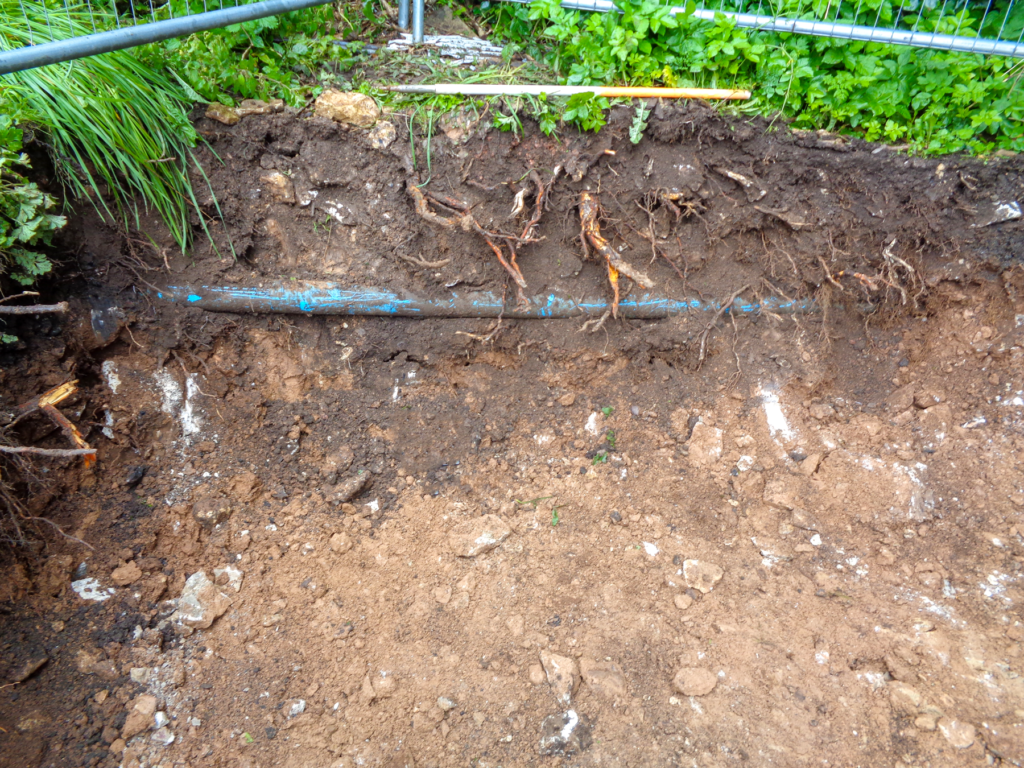
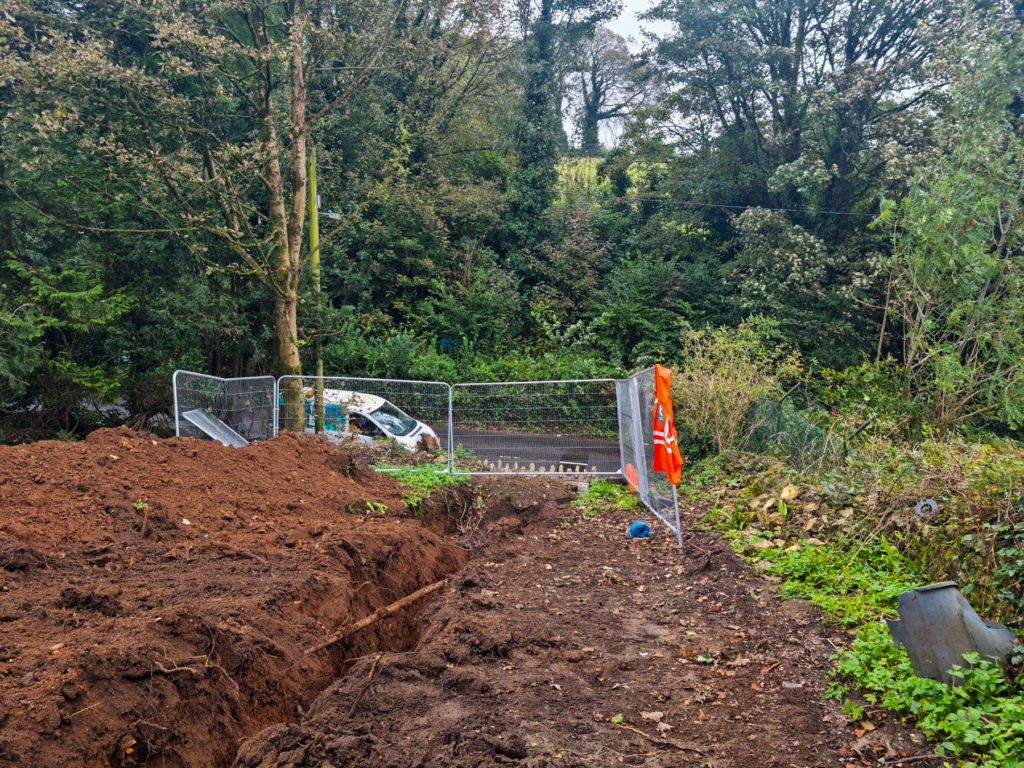
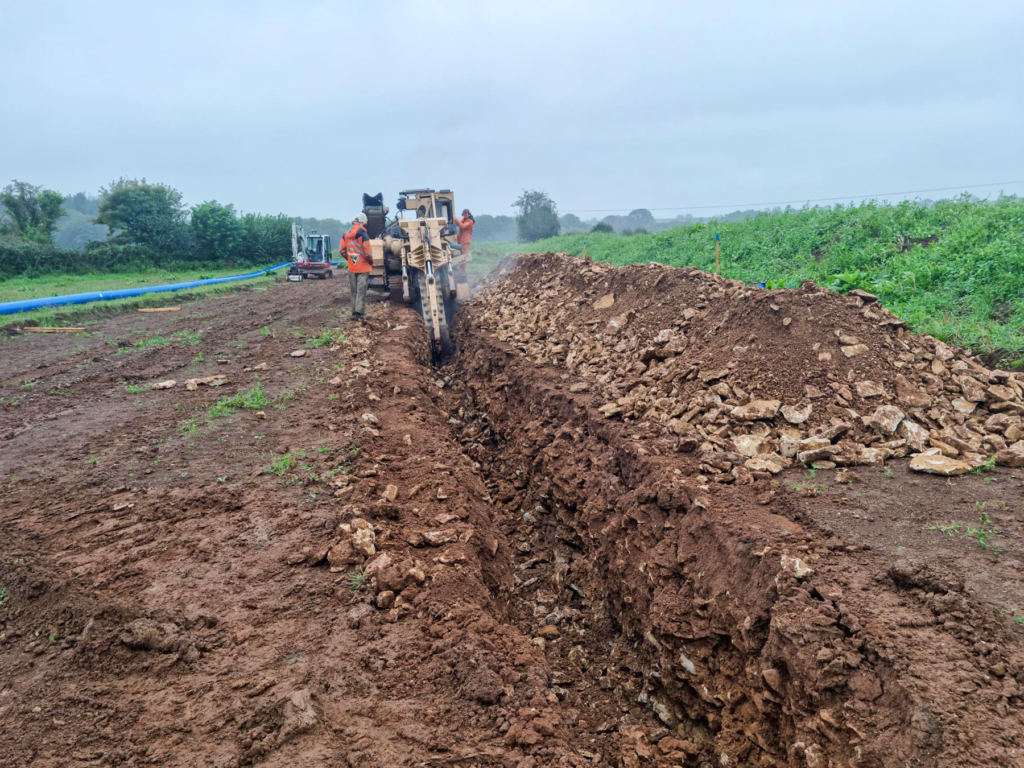
The scheme consisted of two separate sections of pipeline, which were installed using open-cut and HDD methodology, with a total length of approximately 2km. Archaeological Observation was undertaken during groundworks over a five month period.
Results
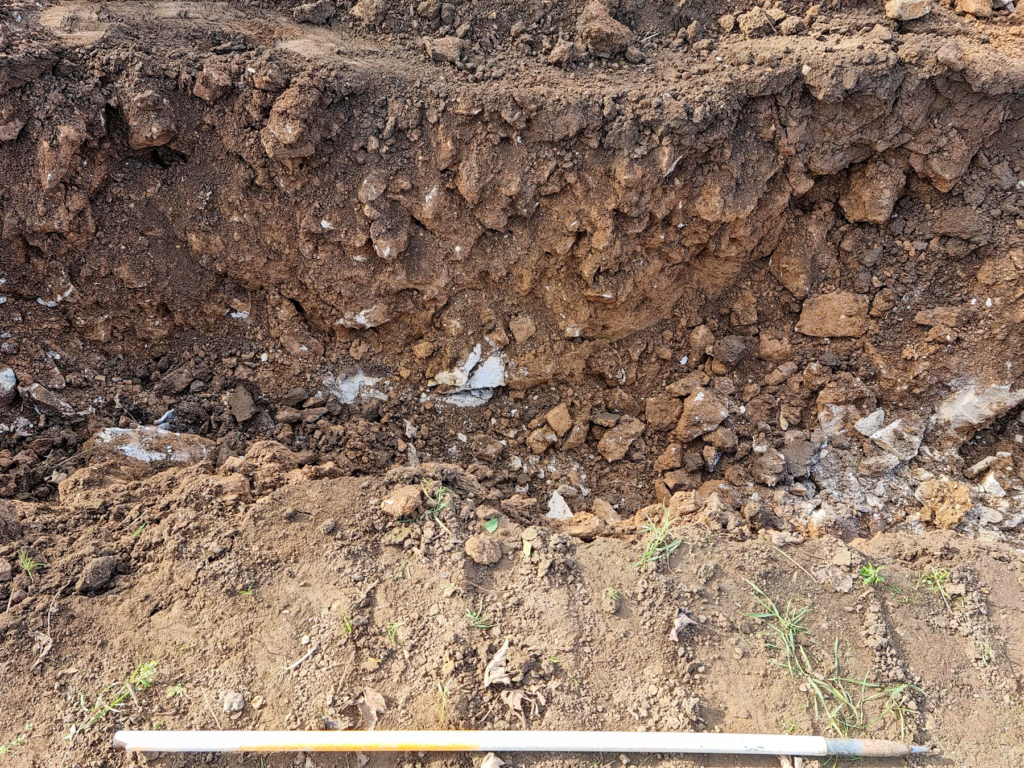
The programme of Archaeological Observation confirmed the presence of Mesolithic/Neolithic flint manufacturing and repair and post-medieval domestic and farming activity. The recovered flints were limited in interpretive value given the paucity of the assemblage and the absence of a secure context. The flints do, however, show that prehistoric manufacturing did take place at or near three fields.
The post-medieval pottery recovered was identified as mainly 17th century or later. It is likely that the pottery was deposited with midden material used as fertiliser, which was further scattered by repeated ploughing. The same agricultural process may also have removed low-lying features.
The absence of finds throughout the scheme suggests a sparsely populated an agricultural landscape, typical of the area today.