

Geophysical Survey & Archaeological Field Evaluation, Buckinghamshire
Largescale investigation prior to the residential development of farmland allocated for growth on the southeastern outskirts of Milton Keynes.
In Brief
Key Points
- 90-hectare site, 720 trenches across two phases of residential development
- Iron Age to Romano-British agricultural landscape and medieval hunting forest
- Early 1st -3rd century AD farmstead with cremation burial revealed
Summary
A vivid picture of rural life in the early Roman period emerged during the course of the investigation.
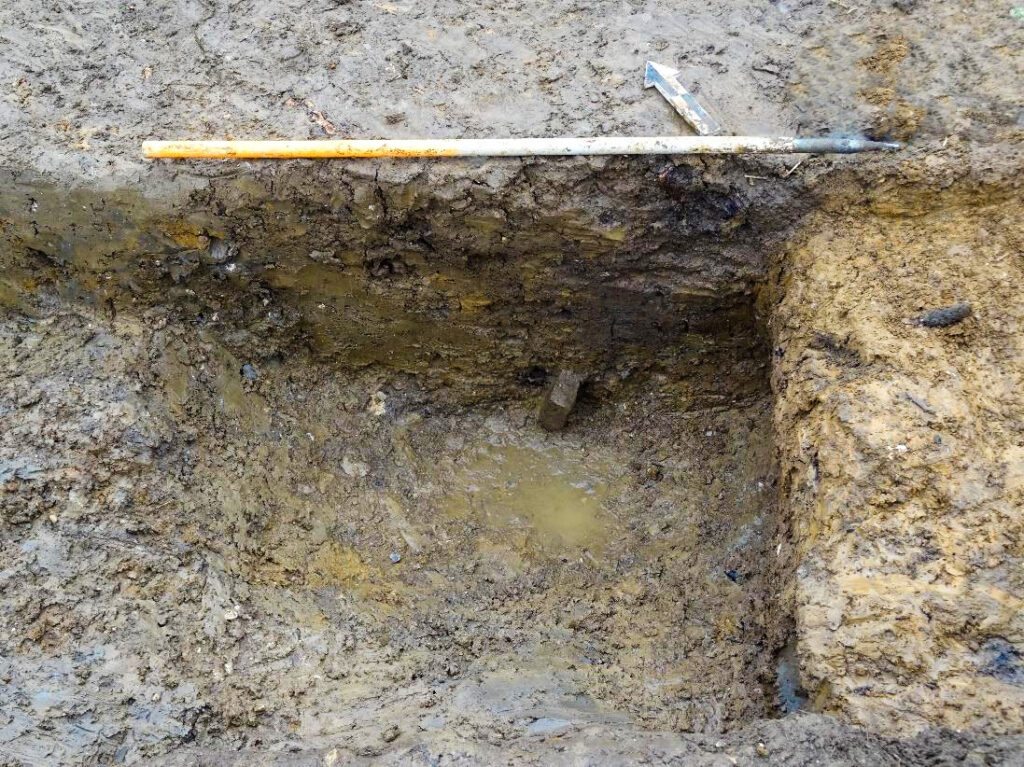
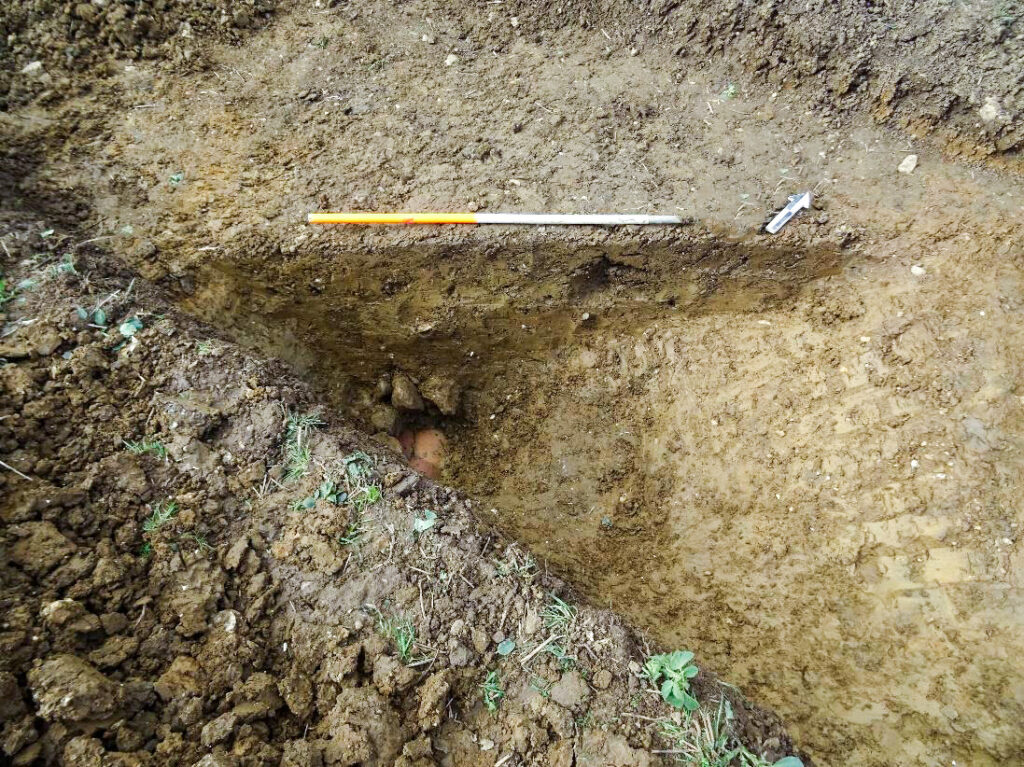
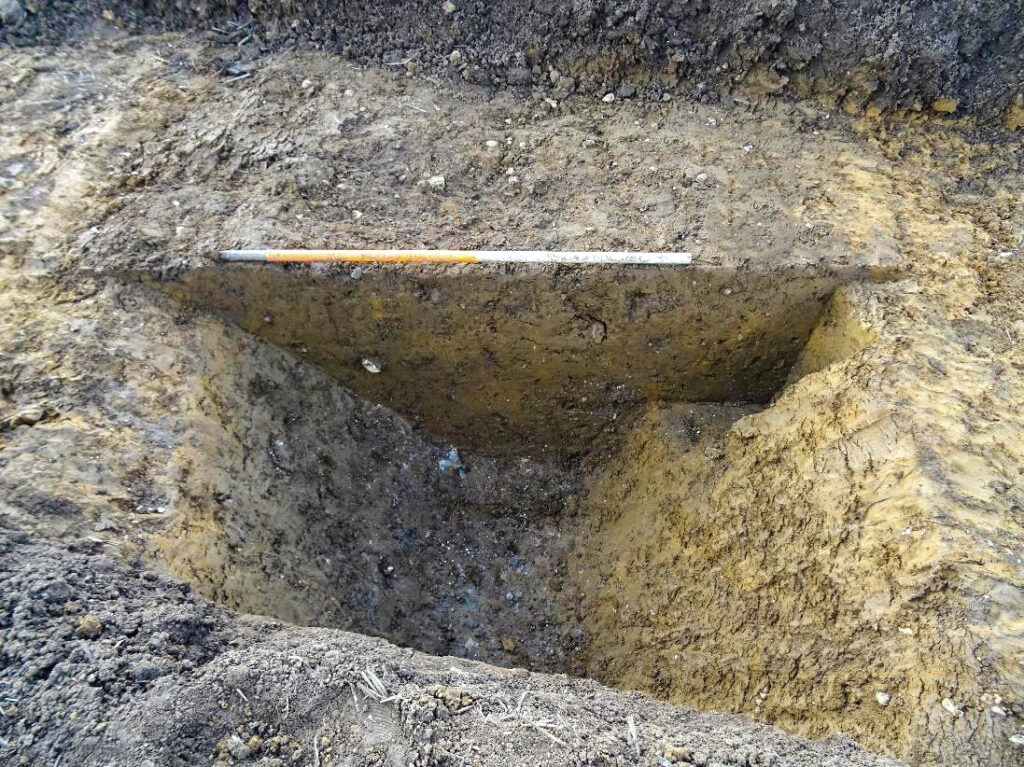
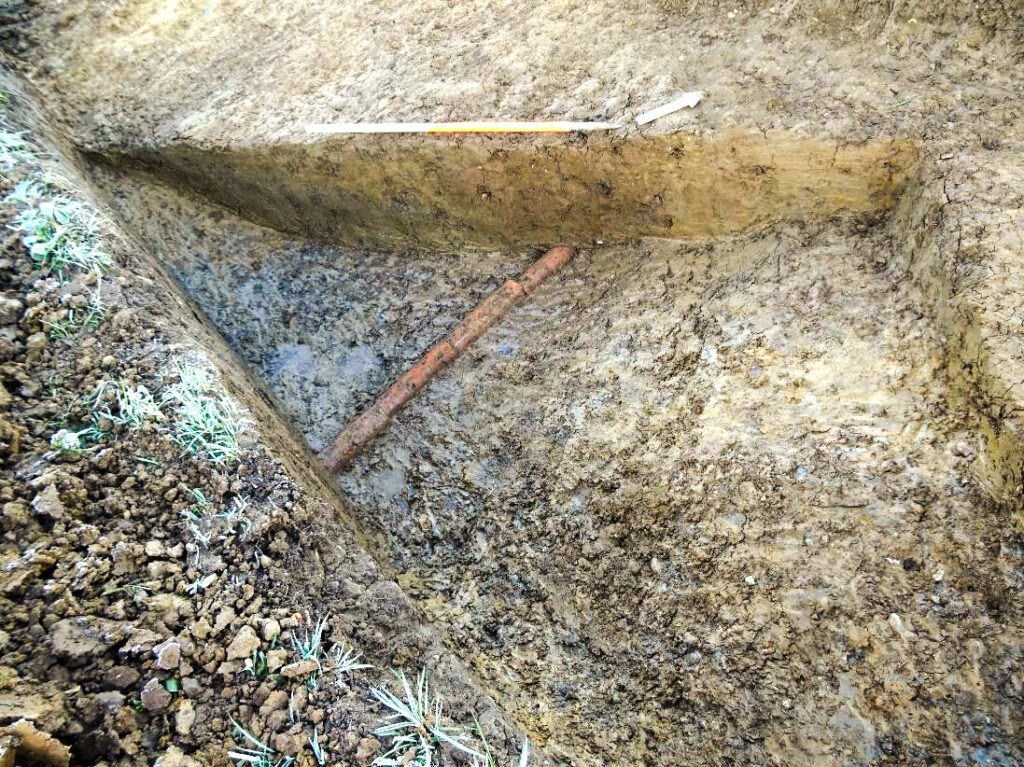
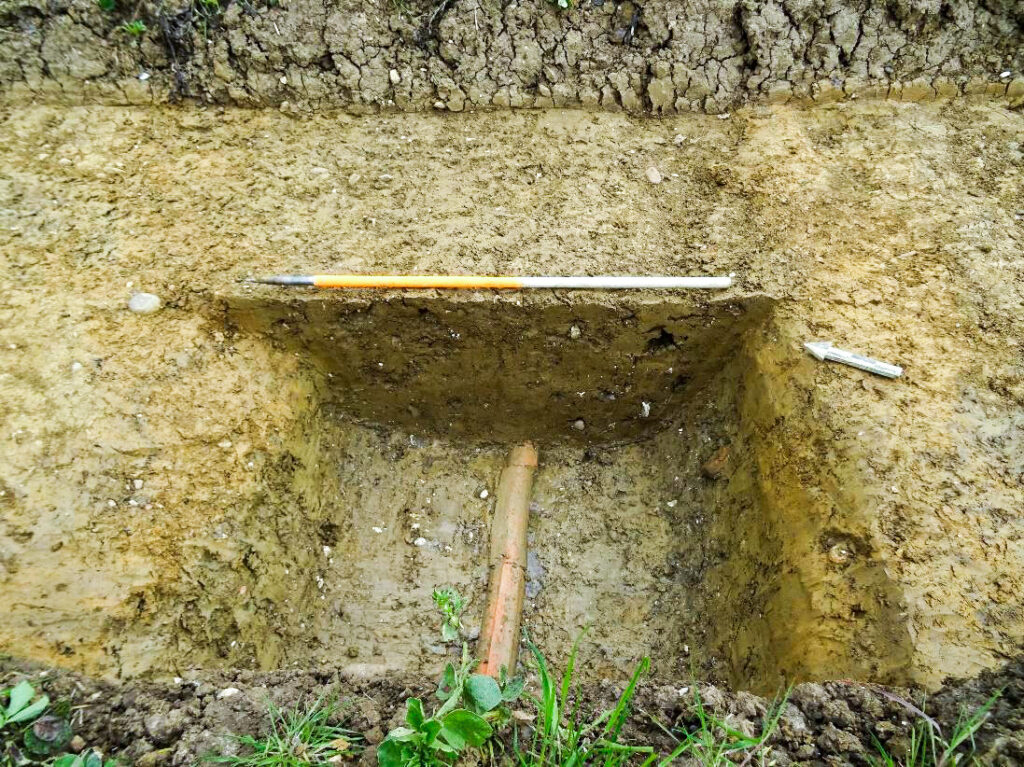
A magnetometer survey of the 352,000m2 area comprising the Phase 1 development to the south of Shenley Road detected a dense concentration of potential archaeological features which were targeted by 296 trenches. Of these, 89 revealed significant archaeology, which included an enclosure complex, with probable stock pens at its southern end, which remained in use from the early 1st to 3rd century AD. At least two 1st century roundhouses were revealed, with evidence for ditched areas, beam slots with associated postholes and ring-gullies.
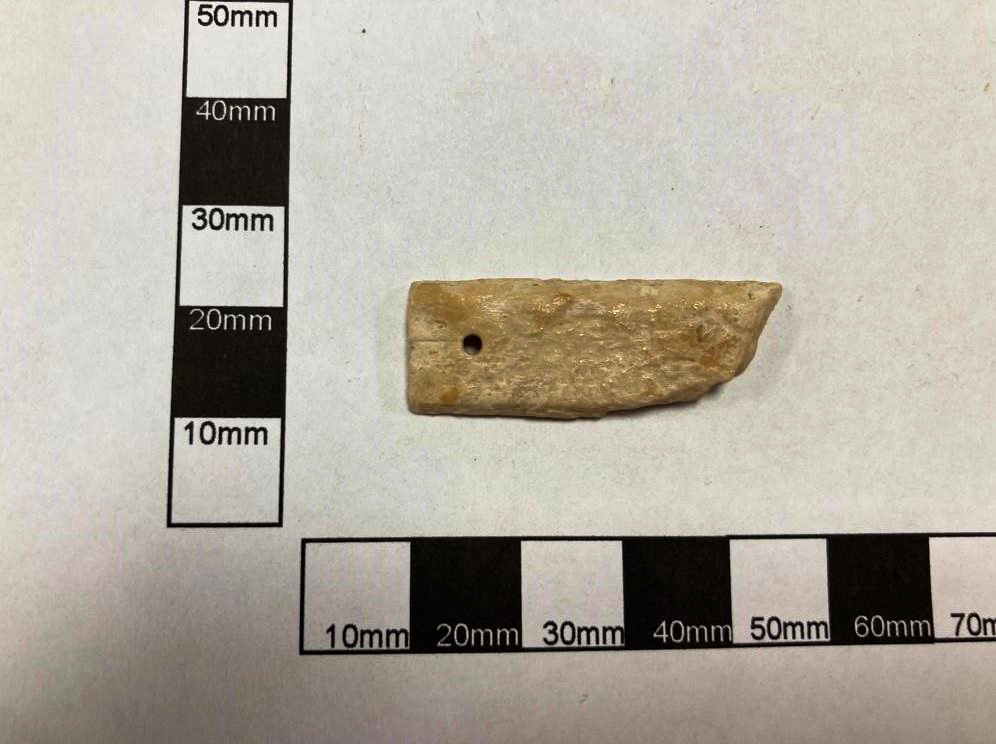
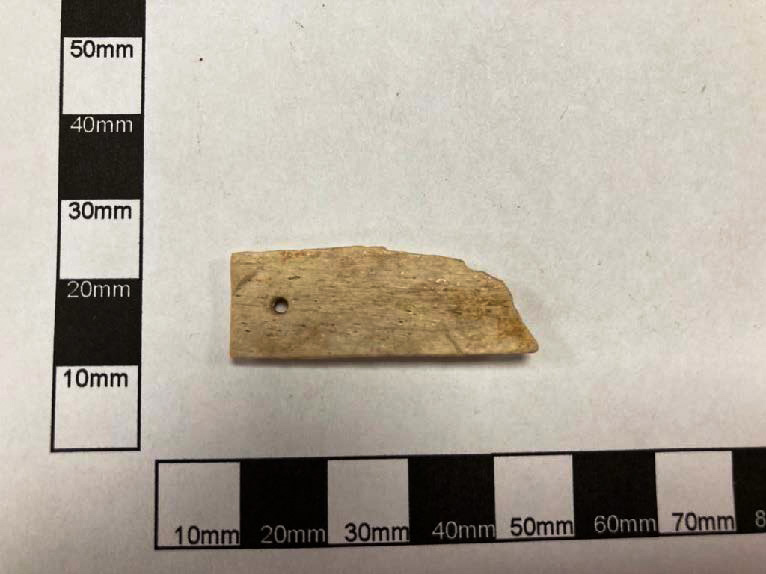
What of the people who lived there? Theirs was a nuanced existence, wherein life coexisted with death. A daily round of domestic tasks was attested by evidence of crop-processing, butchery and food-production carried out in cobbled work areas, while remains of red deer, cattle, sheep and pig showed that hunting played a role alongside stock rearing and arable farming; finds of pottery and metalwork were also recovered. Placed close to the enclosure entrance were the cremated remains of a single individual. Their actual age is unknown but the evidence shows they died before reaching adulthood.
The community itself gradually dwindled, until by the 3rd century the land had been returned to nature before becoming part of the medieval hunting forest Whaddon Chase.
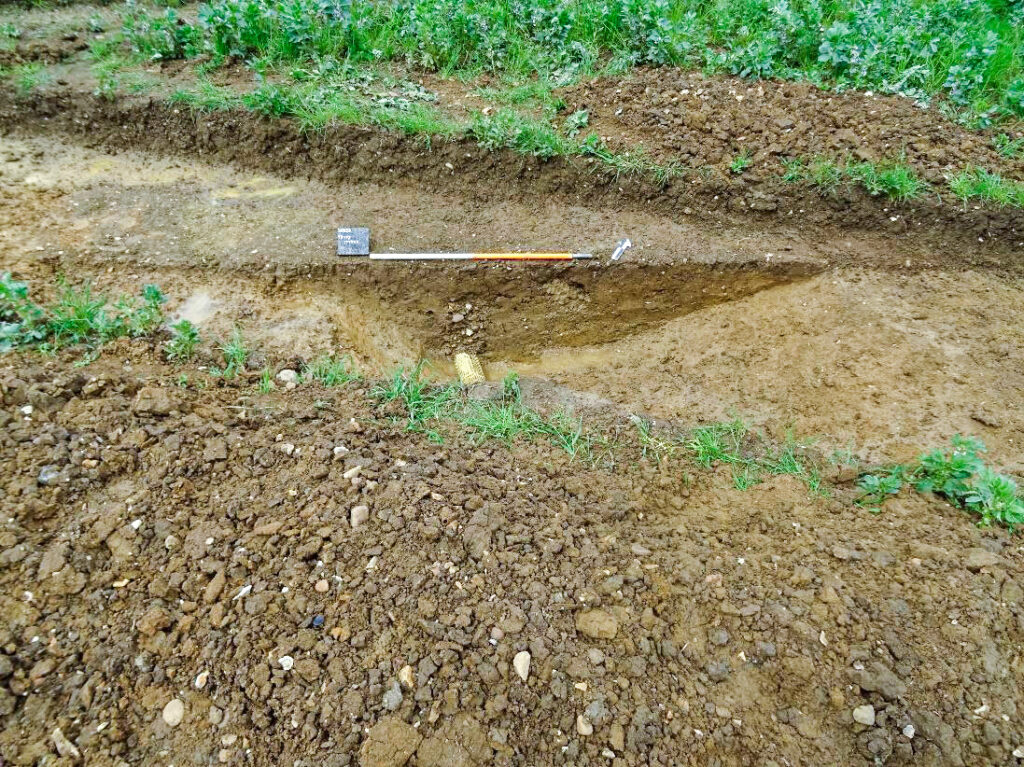
Phase 2 of the development covered an area of 511,529m2 of land extending northwards from Shenley Road to the North Buckinghamshire Way. Of the 424 trenches excavated following geophysical survey, 28 contained features collectively representing part of the
Results
These results provide further evidence that a highly developed Late Iron Age to Early Romano-British landscape emerged in the Tattenhoe area to the southwest of Milton Keynes.
Detailed reports covering both phases of work were submitted to the council and approved. Both reports contained specialist assessment and analysis of the finds, human remains, animal bone and palaeoenironmental material.