

Archaeological Field Evaluation, Cambridgeshire
Daily life at the medieval Priory of St Neots in Cambridgeshire came into sharp focus during an archaeological field evaluation carried out on the banks of the Great River Ouse.
In Brief
Archaeological Desk-Based Assessment
Archaeological Field Evaluation
Key Points
- High potential to encounter remains associated with the 11th century Benedictine priory
- A possible palaeochannel - an old and no longer active watercourse - was revealed
Summary
Refurbishment and extension of a building at the Priory Centre in Priory Lane entailed groundworks likely to disturb any archaeological remains surviving below ground and a desk-based assessment was required by the council beforehand to consider the potential for remains of different periods.
The assessment concluded that, as the site lay within its precinct, a few metres from where the western range once stood, there was high potential to encounter remains associated with the 11th century Benedictine priory.
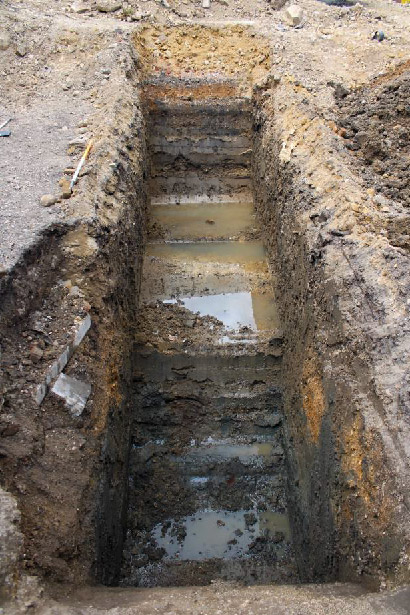
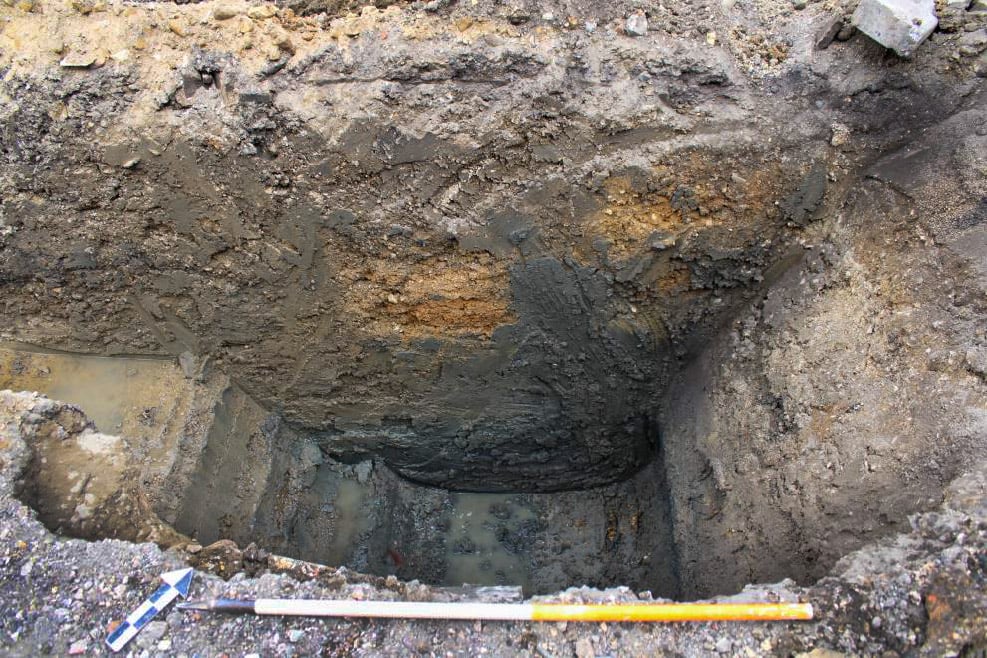
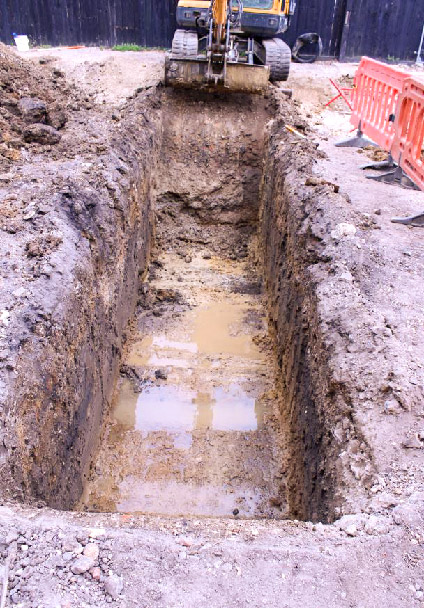
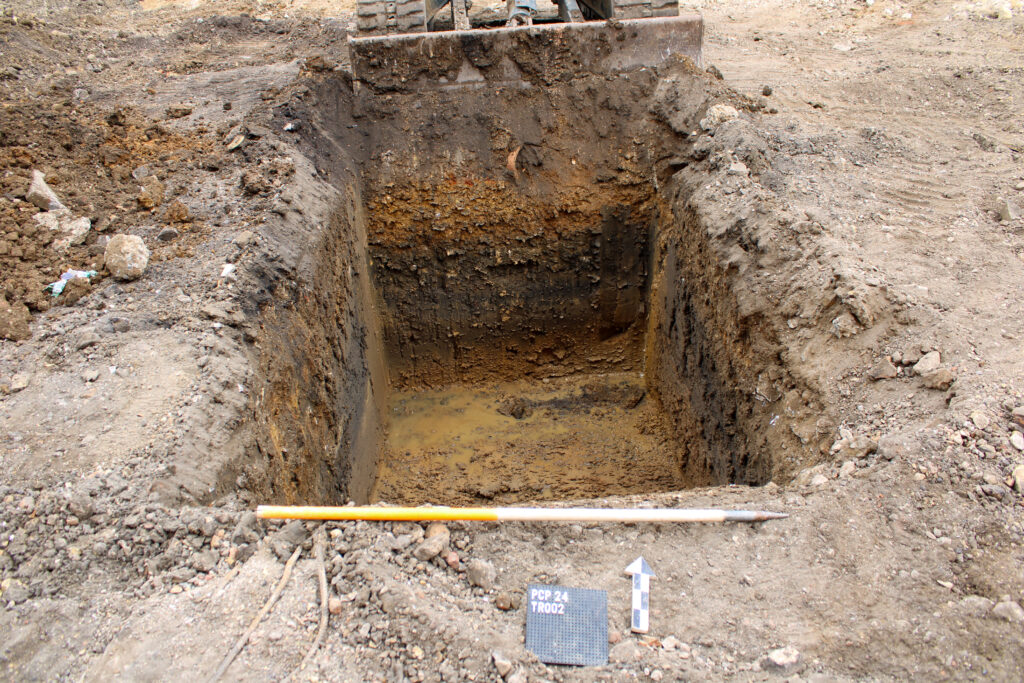
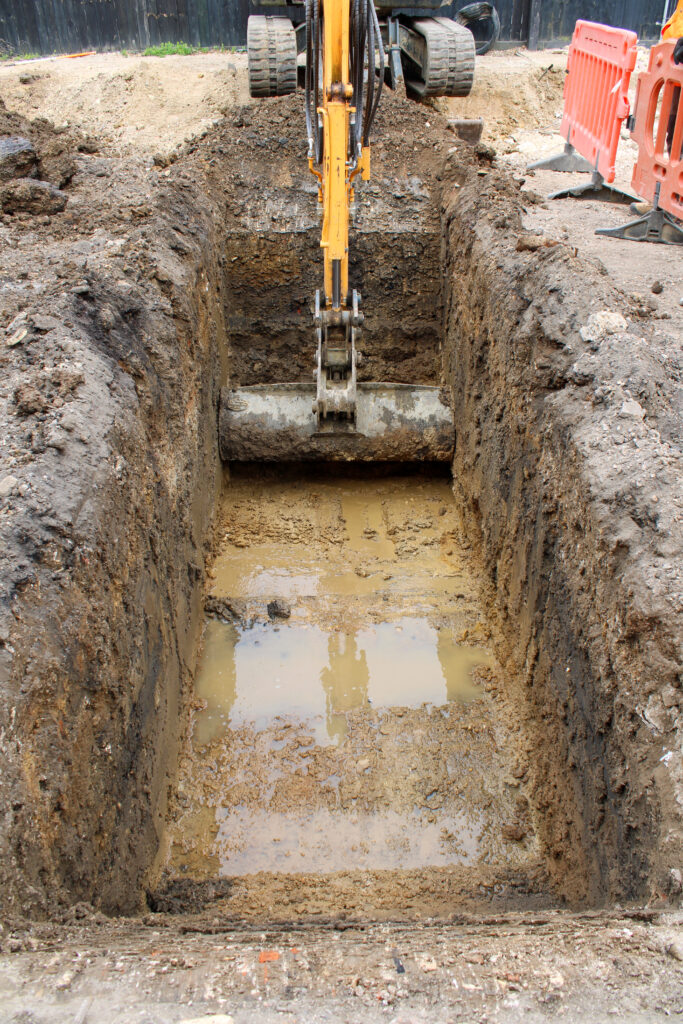
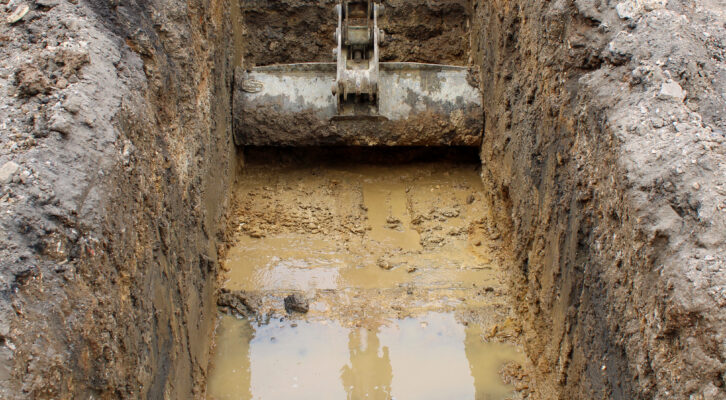
The assessment results led to a site investigation and two evaluation trenches were opened within the footprint of the extension and excavated to depths of 1.7m and 2.85m where disturbed buried soils were found overlying the natural gravelly geology.
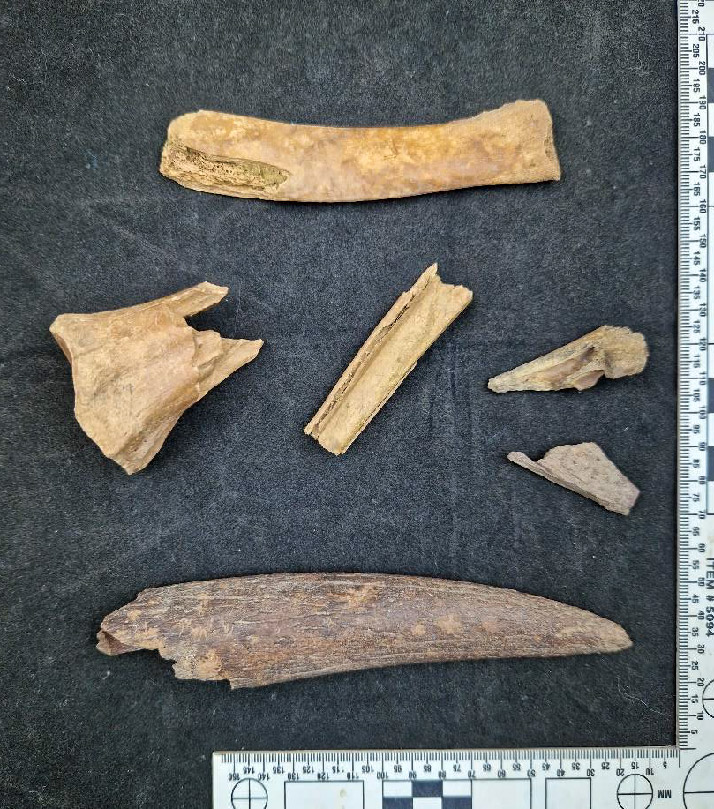
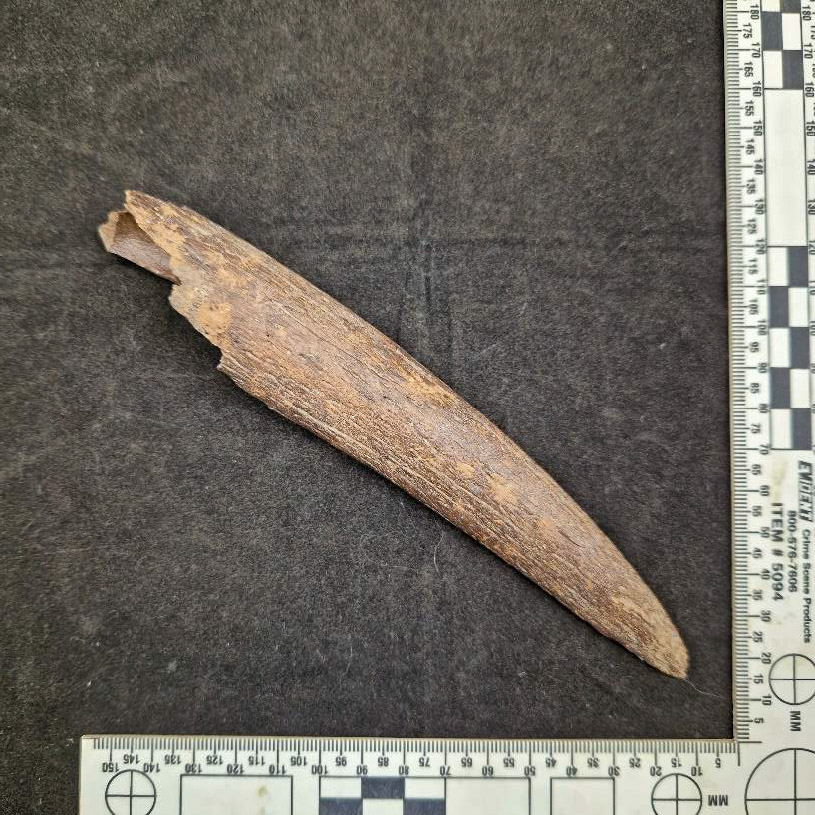
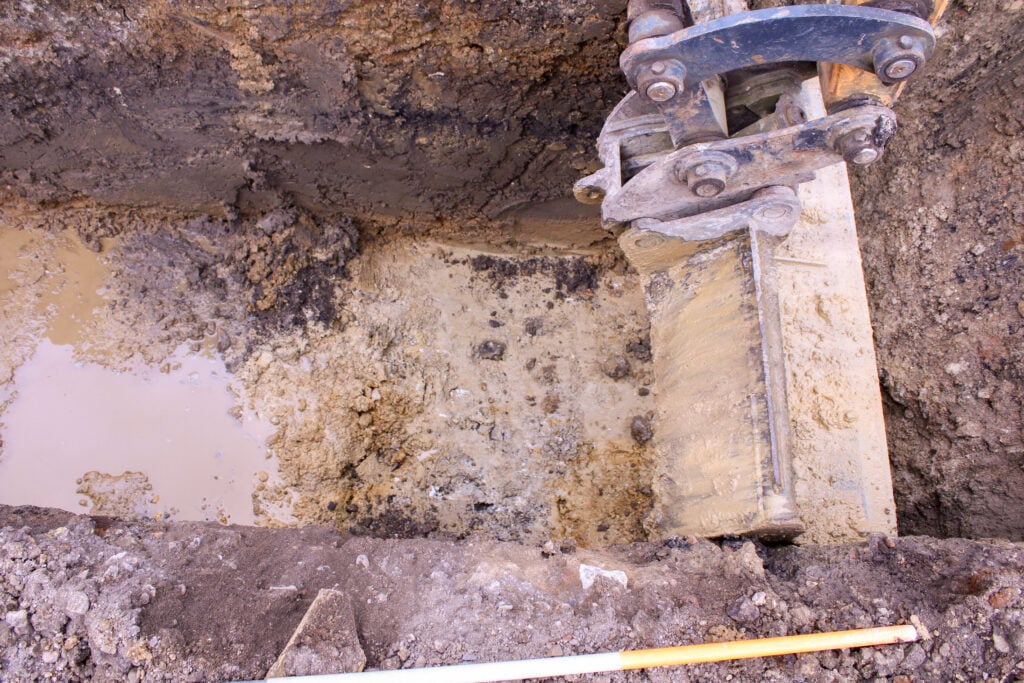
A possible palaeochannel – an old and no longer active watercourse – was revealed in the natural in one of the trenches which produced finds of oyster shell, a probable goat horncore, pieces of probable St Neot’s type pottery dating to the 9th to 11th centuries and animal bone fragments, including an adult cattle metatarsal fragment. Also found were the charred cereal remains of rye and wheat while the range of snail species present indicated an environment of slowly moving shallow water.
Although the priory was dissolved in 1539 and the buildings demolished, the proximity of the trenching to the former western range suggests these finds may have found their way into the channel in refuse resulting from activities associated with the life of the monastery. It seems the old channel had been a convenient medieval wate disposal site!
Results
The evaluation results confirmed that the site contained archaeological finds and palaeoenvironmental evidence. Finds and samples were assessed by our in-house team of specialists and a report submitted to the council. No further work was required and the planning condition was discharged, enabling development to proceed.