

Archaeological Observation, Hereford City Walls and Ditch
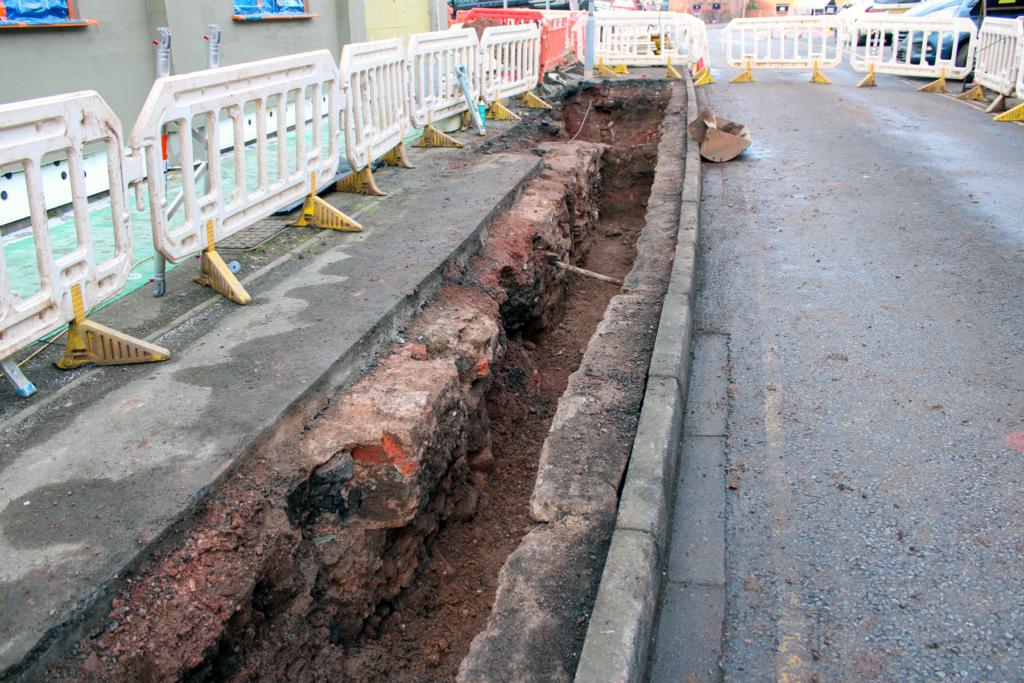
We were instructed to undertake Archaeological Observation in connection with cable trenching and associated works within central Hereford and the scheduled area of the City Walls and Ditch.
In Brief
Key Points
- Programme of Archaeological Observation
- Evidence of late medieval deposits with finds dated to the 14th or 15th centuries
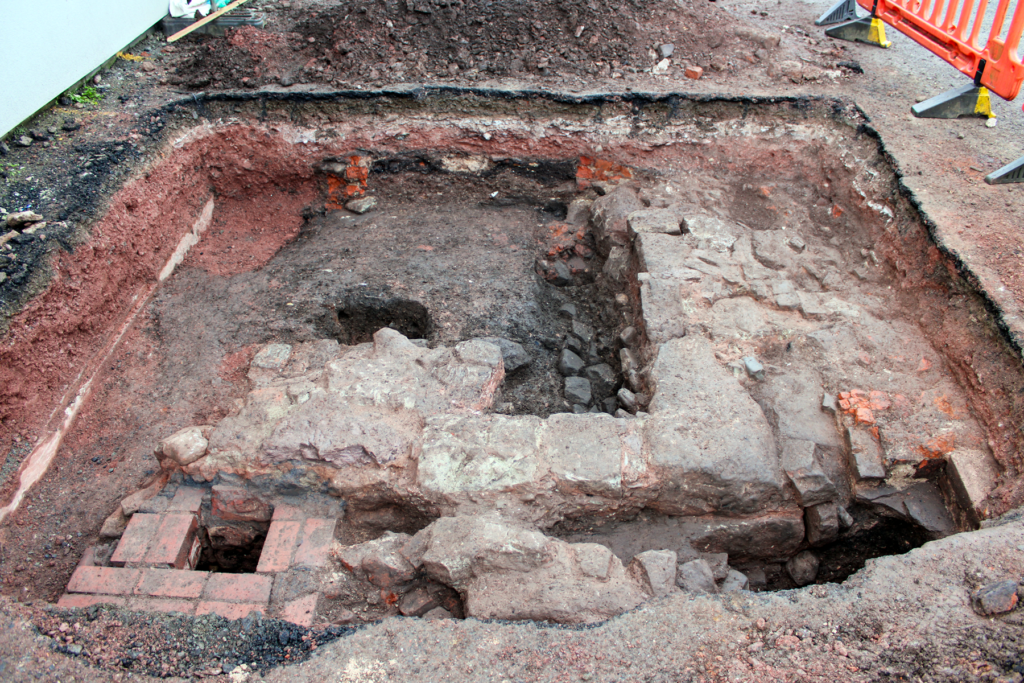
- Substantial foundation wall of a 17th century timber-framed building uncovered
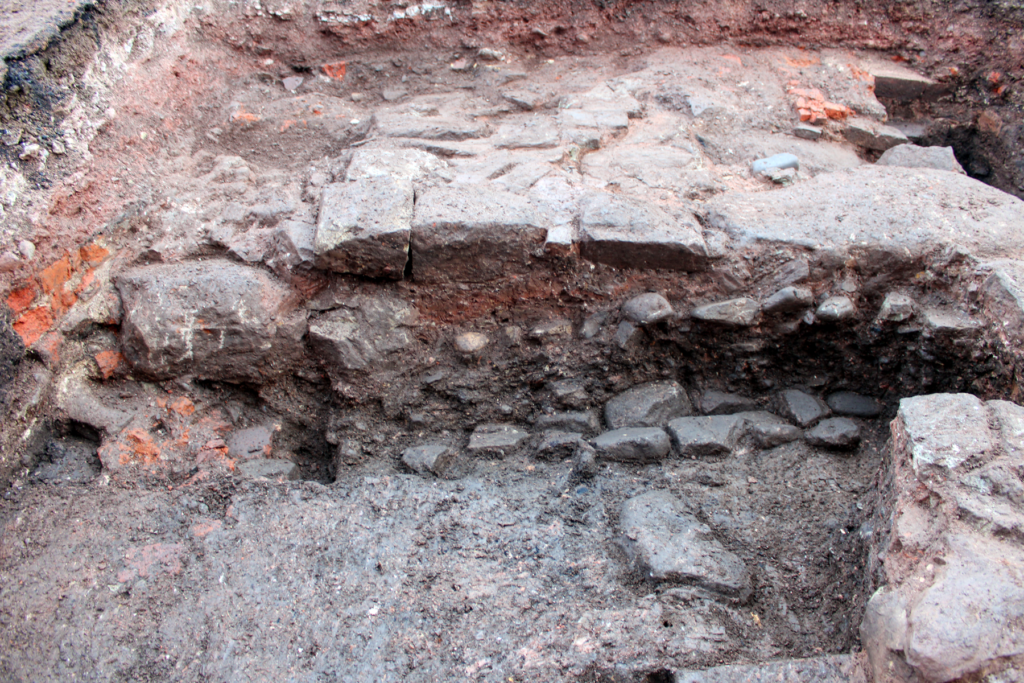
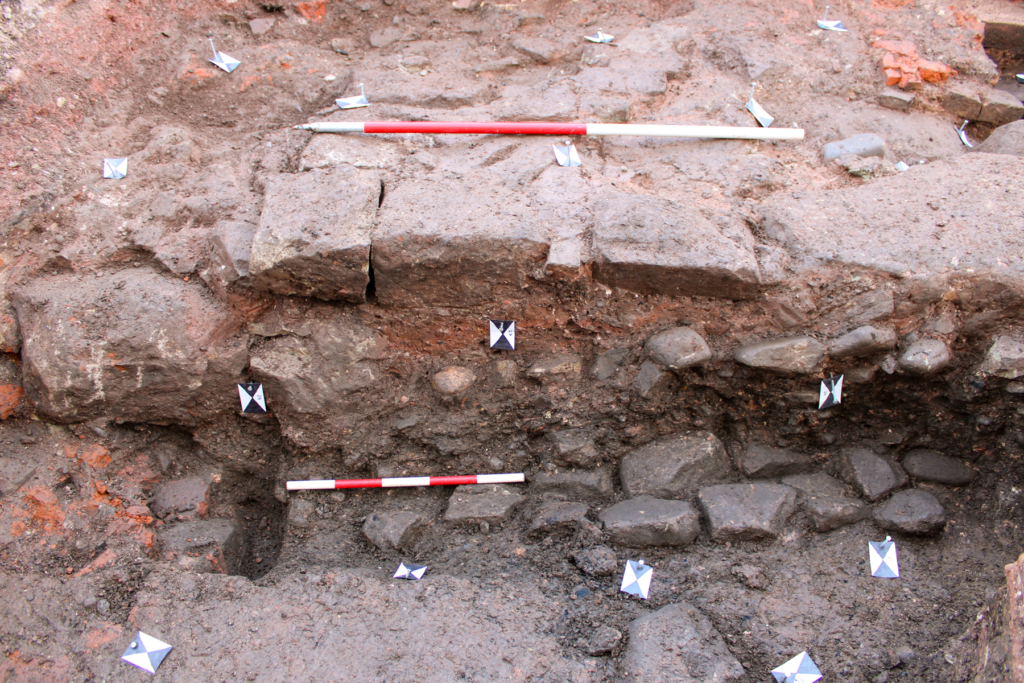
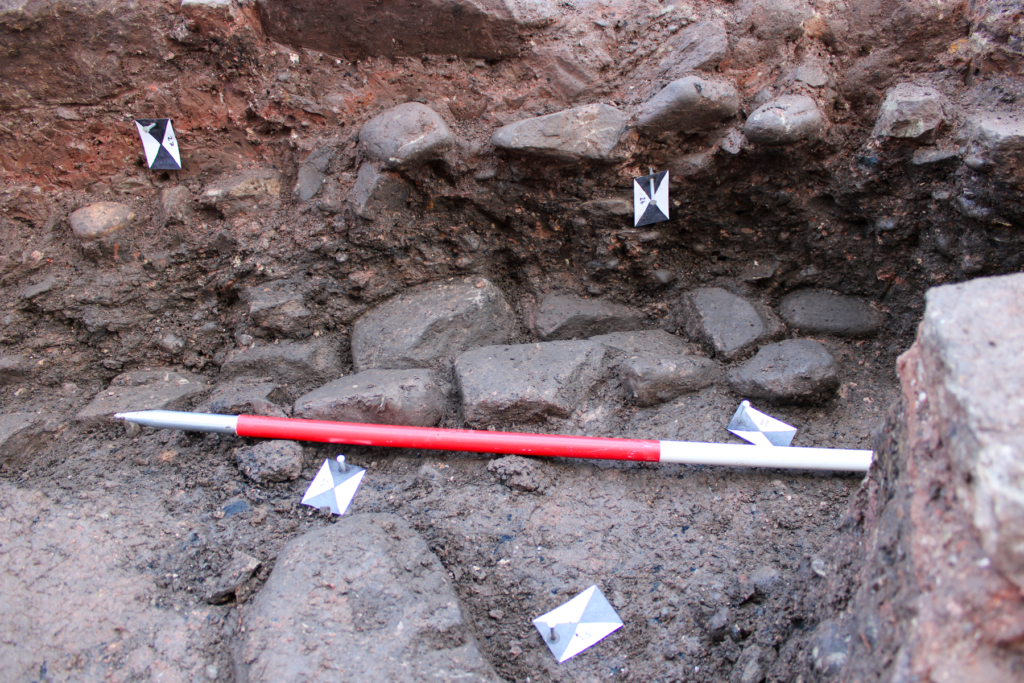
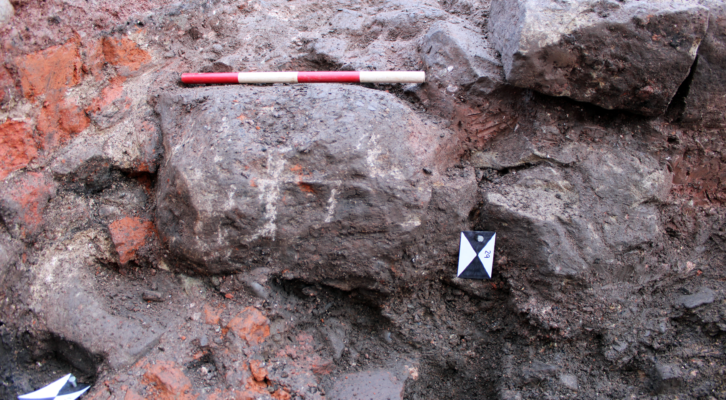
- Discovery of the possible foundations of the medieval Friars Gate leading west out of the city
Summary
The excavations took place over a period of 4-5 weeks and were subject to continuous archaeological supervision owing to the historical significance of the immediate area and the partial entry in to the scheduled area of the Hereford City Defences Scheduled Ancient Monument. The results provide further insight in to the development of the street area to the rear of the city defences.
Results
The results provide a further insight into the development of the area to the rear of the city defences, an intensively researched area which is identified as the earliest settlement component of the historic city, with evidence of continuous activity attested from the late 8th century.
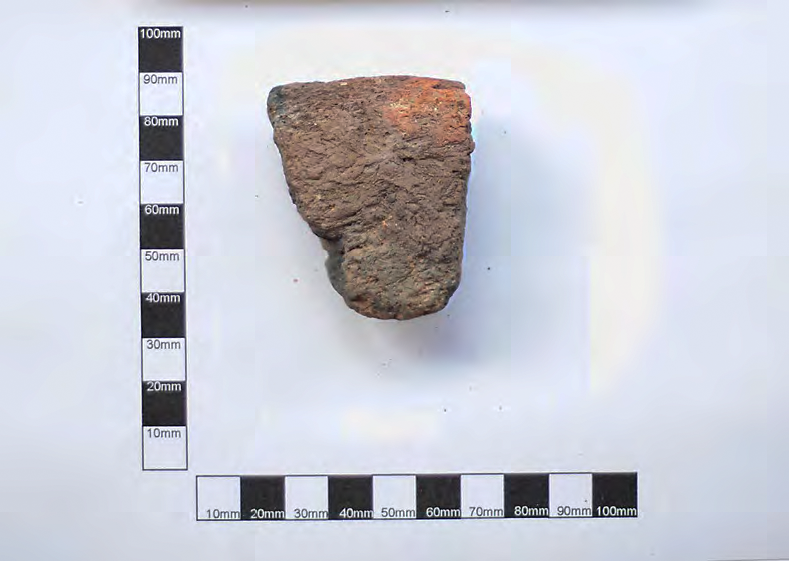
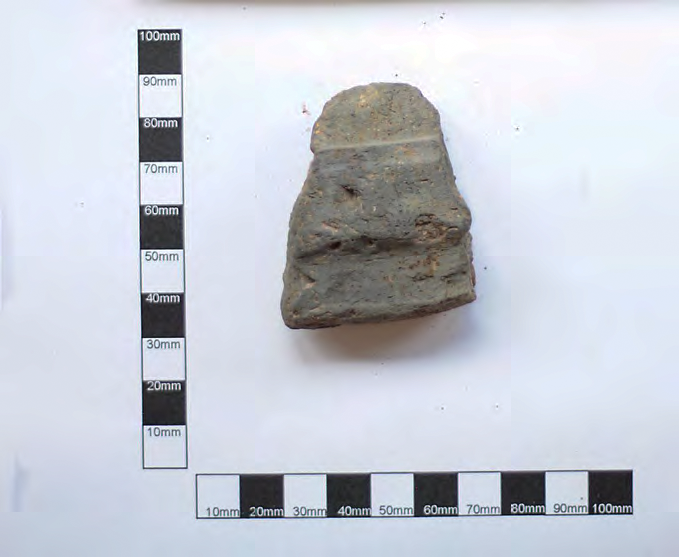
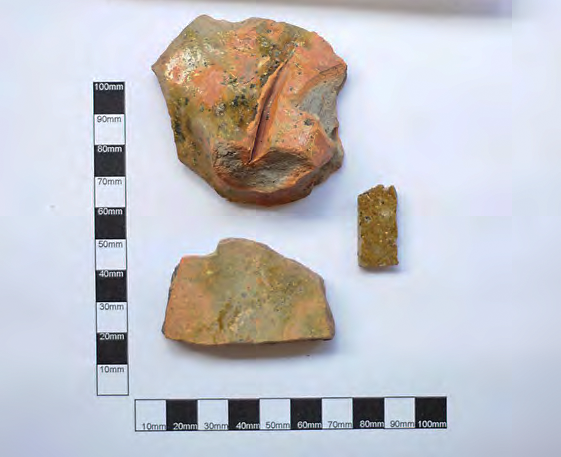
Evidence of late medieval deposits were encountered in areas of deeper excavation. These produced sherds of medieval glazed pottery, rooftile fragments and CBM, all of which can be dated to the 14th or 15th centuries, with both the pottery and CBM originating in either Herefordshire or from the Malvern Chase industries. The ceramic assemblage included three sherds of pottery with patchy external green glaze which included part of a jug and rod handle with central groove and a single sherd with a clear speckled glaze.
This deposit also contained a fragment of clay mould relating to the manufacture of cooking pots or cauldrons.
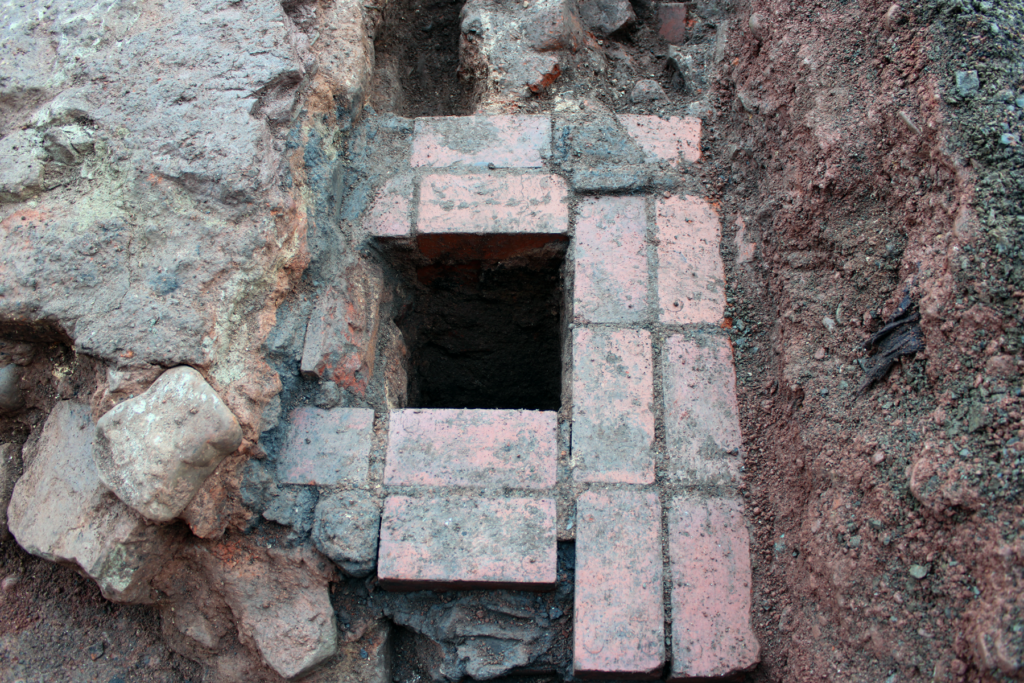
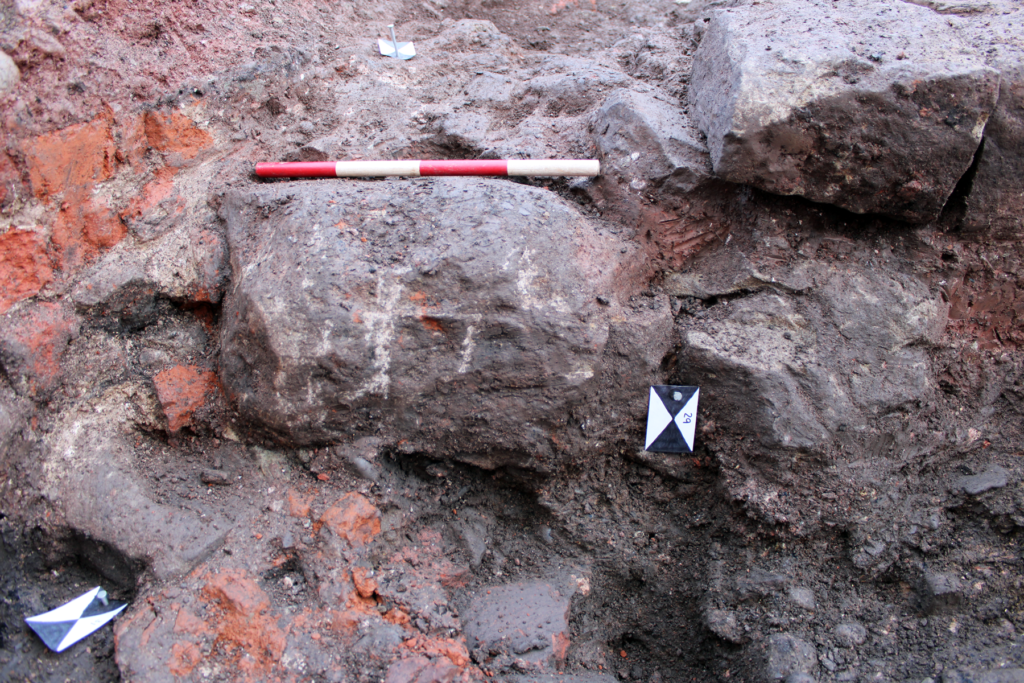
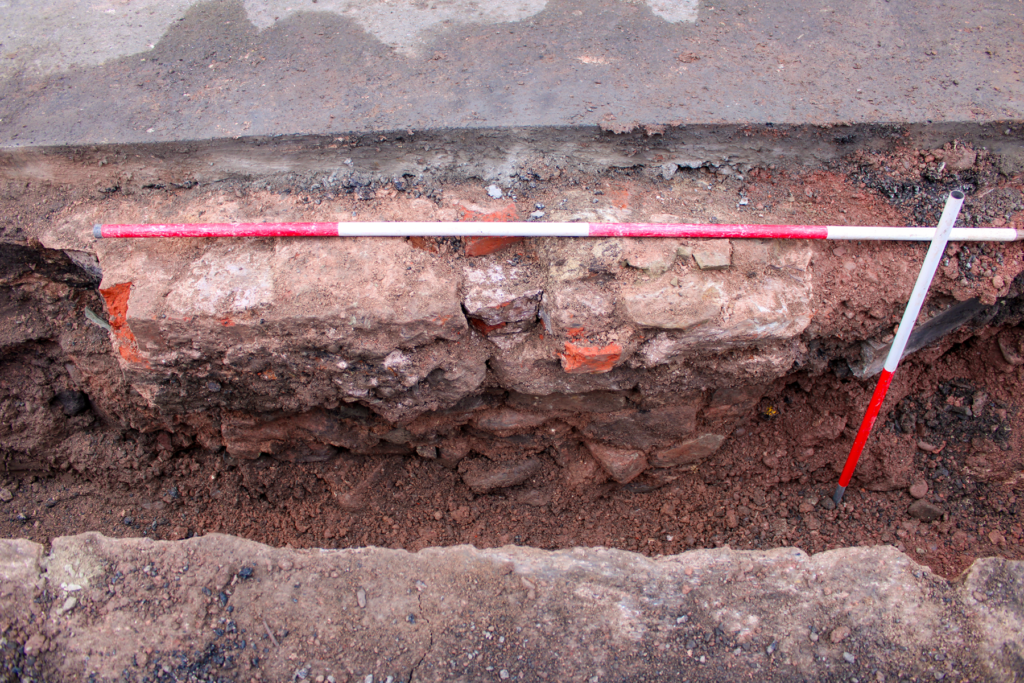
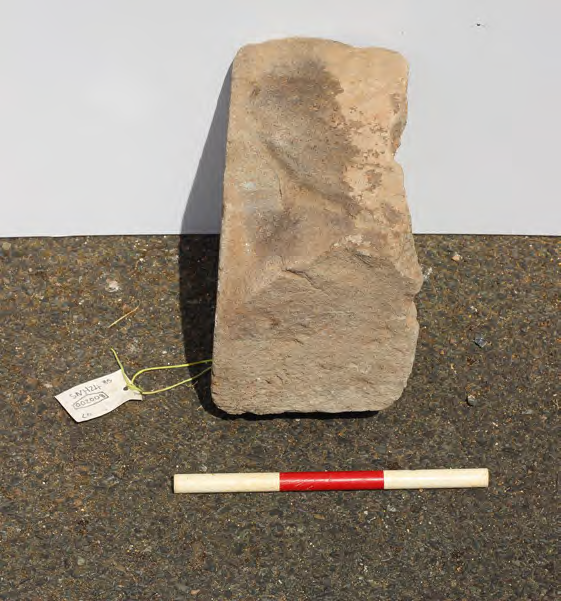
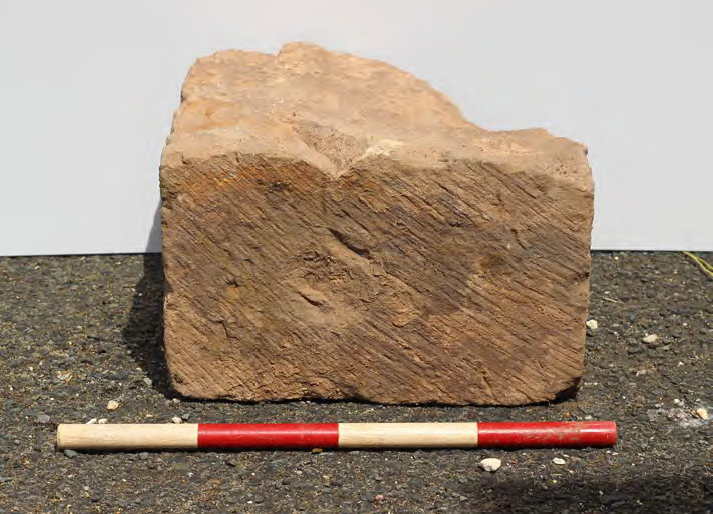
The substantial structural remains revealed are thought to relate to the 17th century timber-framed building recorded in 1931 as the site of St. Vincent’s Orphanage. The wall remains revealed reflect the post-medieval development of the street frontage, with evidence of possible medieval cellarage at the junction with the neighbouring street.
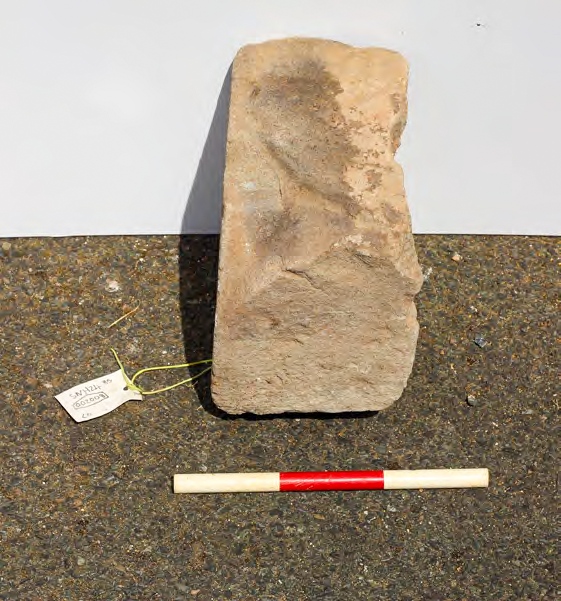
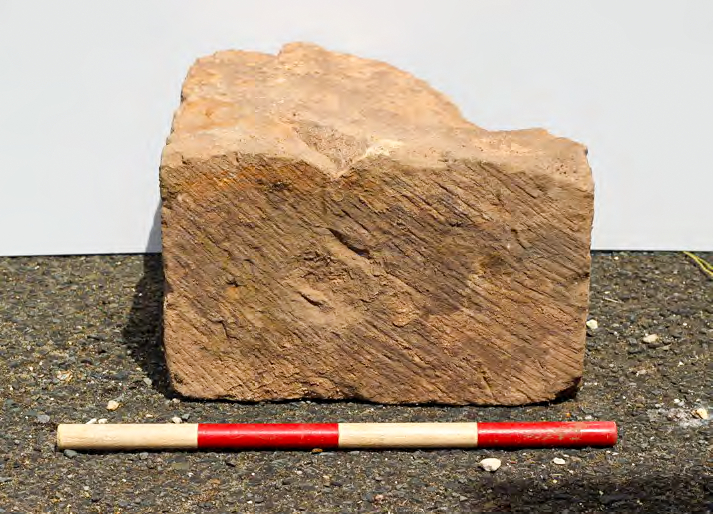
Of particular significance is the discovery of possible masonry foundation remains seen in the trench section adjacent to the scheduled area, which were found in the location of the medieval Friars Gate.