

Archaeology & Heritage Assessment, Greater Manchester
Border Archaeology undertook an Archaeological Desk-Based Assessment for a private developer regarding a proposed Battery Energy Storage System development at Carrington, Greater Manchester.
In Brief
Key Points
- Assessment of the potential archaeological significance of the site and the impact of the proposed Battery Energy Storage System development.
- Assessment of the potential heritage impacts of the proposed Battery Energy Storage System development.
- The assessment was informed by a site visit, consultation of the Greater Manchester Historic Environment Record, reports on previous archaeological investigations in the area, and analysis of historic mapping and documentary records.
Summary
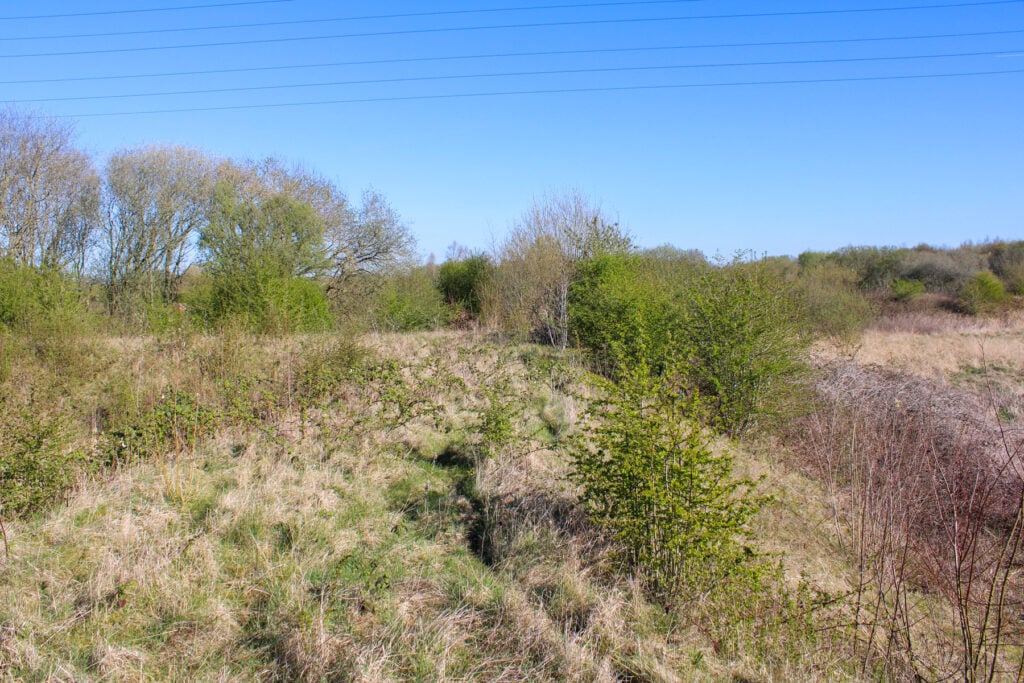
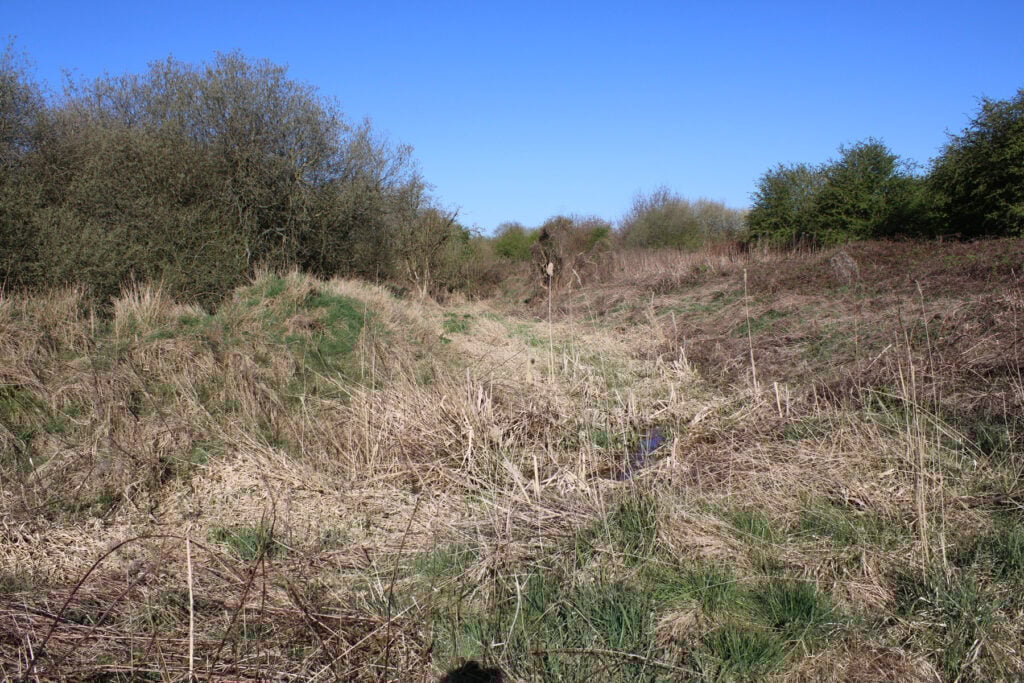
The archaeological assessment determined that the potential of the site with respect to the prehistoric period was Low to Moderate. This assessment primarily reflected the underlying potential for the superficial geological deposits recorded across the Site to contain paleoenvironmental material. However, it is likely that any such deposits have been heavily disturbed during the 20th century. The potential to encounter archaeological evidence of a Romano-British, medieval or post-medieval date during the proposed development was assessed as Low.
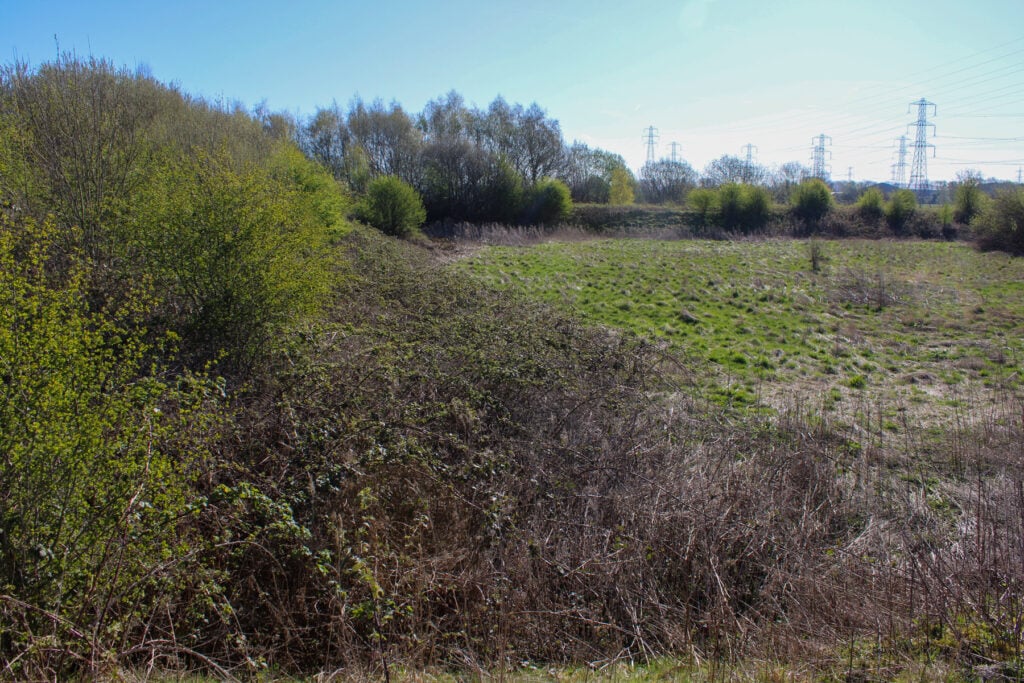
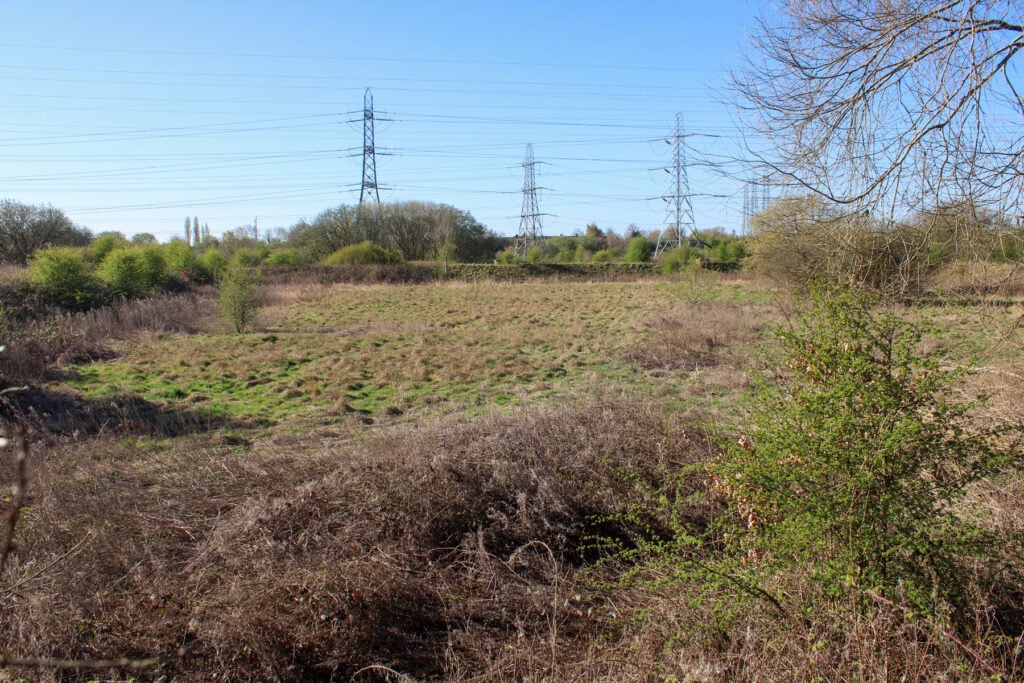
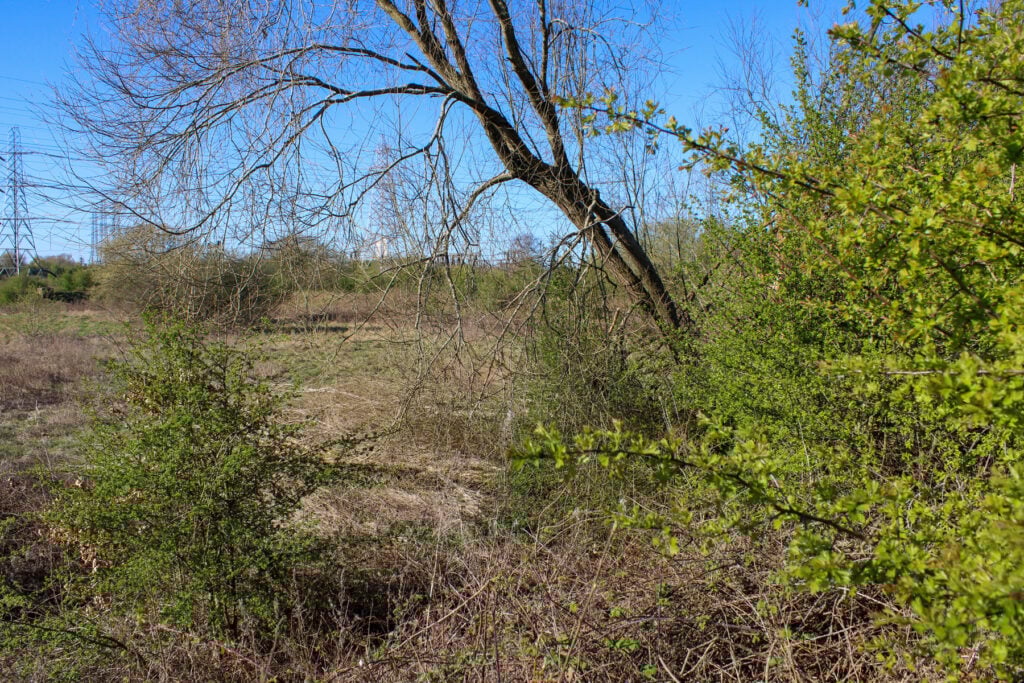
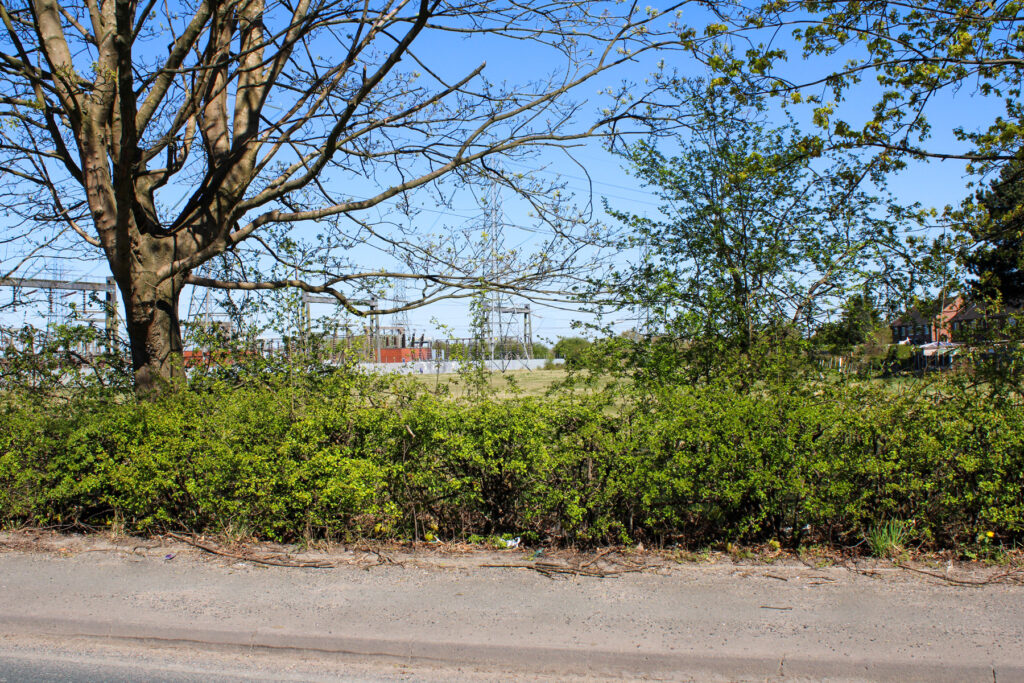
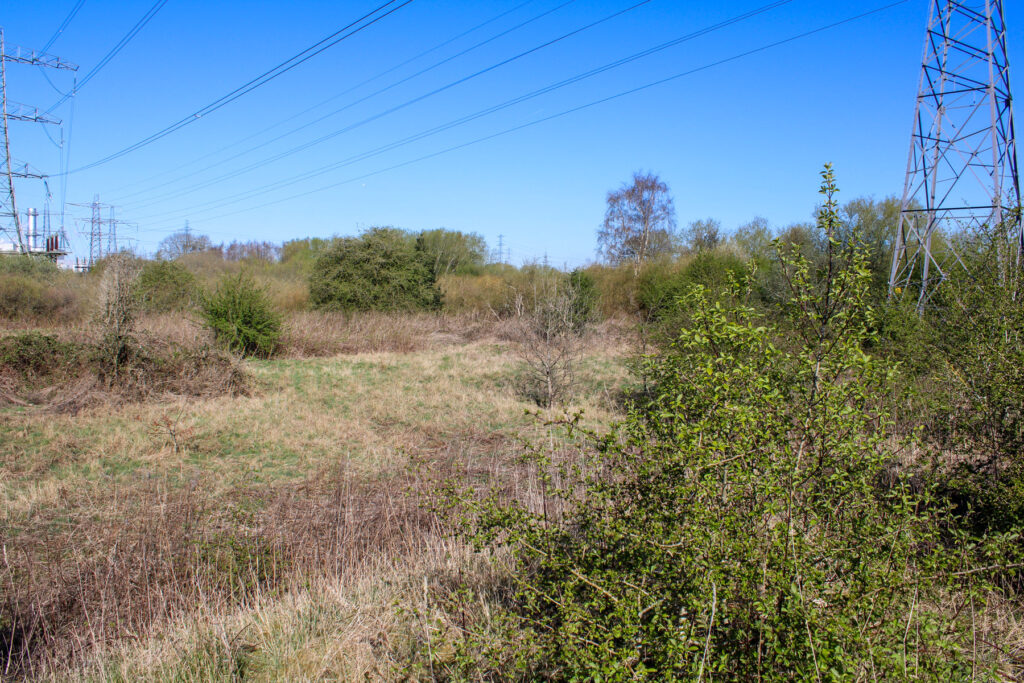
The heritage assessment determined that the overall potential impact of the proposed development was Neutral. It was determined that the setting of the proposal Site was very much characterised by modern energy infrastructure, with a power station and electricity pylons located in close proximity. It was therefore considered that the proposed Battery Energy Storage System would not represent an incongruous element in the surrounding landscape.
Results
The assessment determined that there was a Low to Moderate potential for archaeological remains to be encountered during the proposed works, and that the development would likely have a Neutral impact in terms of built heritage. The completion of the Archaeology and Heritage Assessment allowed the application for planning permission to progress.