

Archaeology & Heritage Assessment, Hoo Peninsula
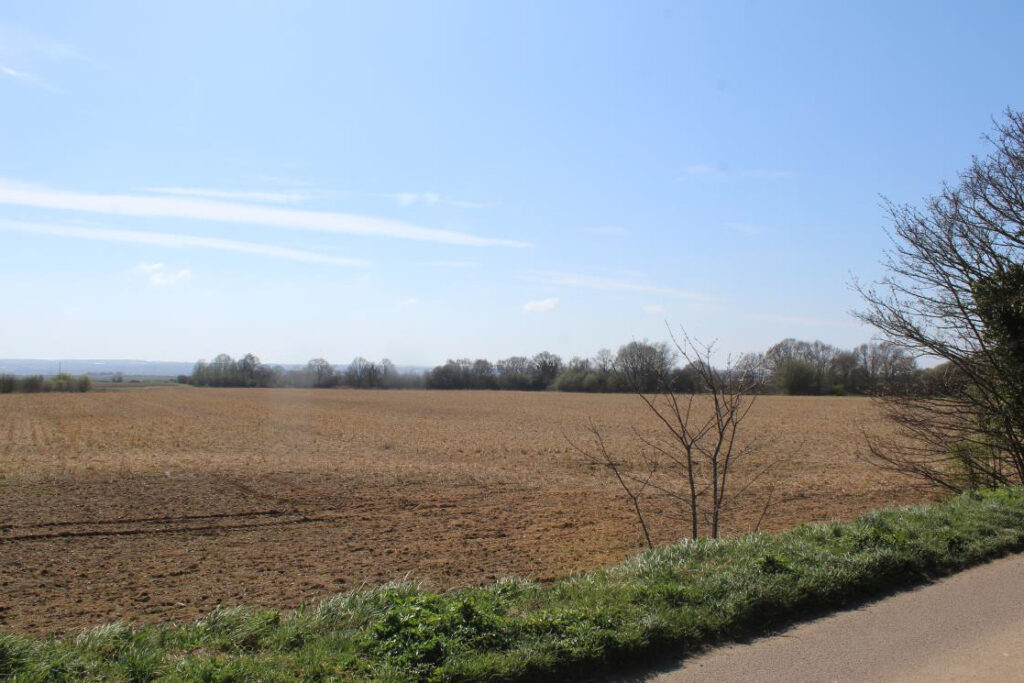
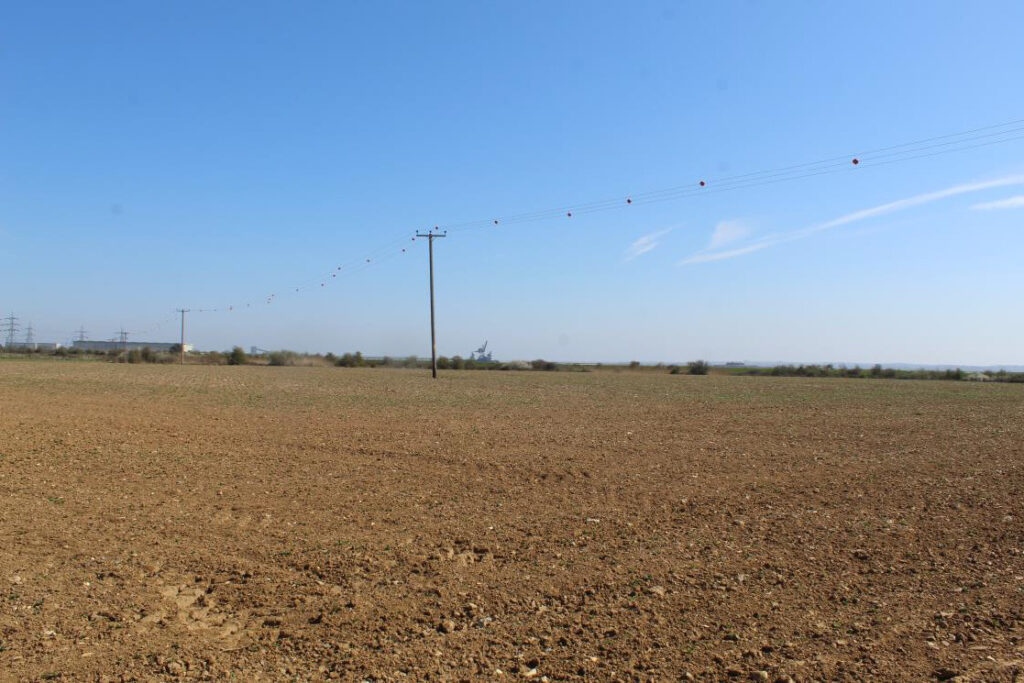
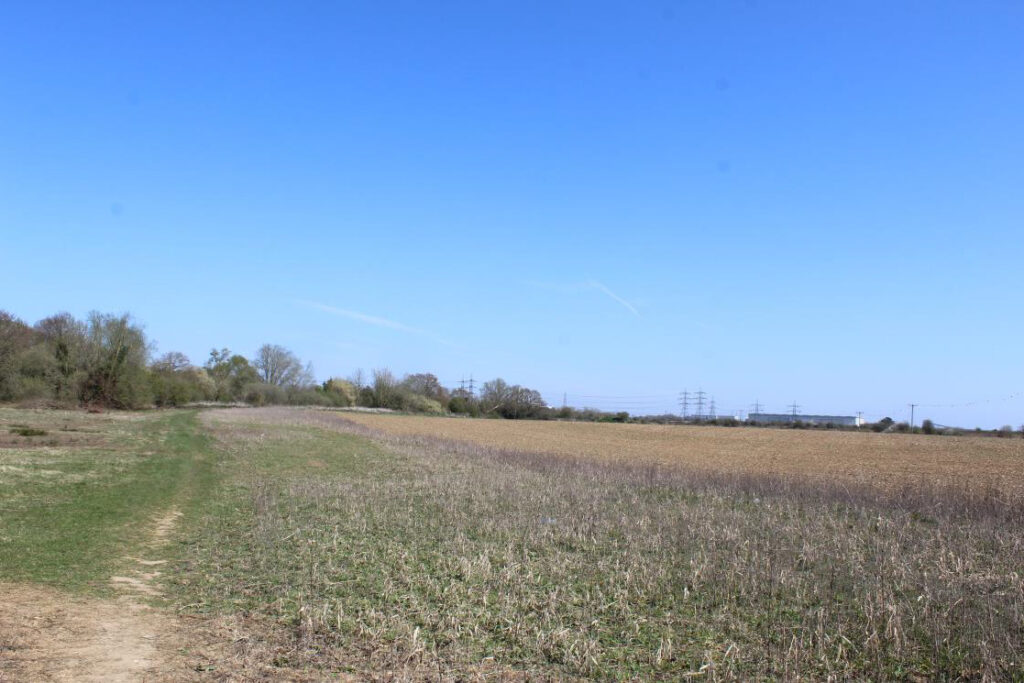
Border Archaeology undertook an Archaeological Desk-Based Assessment for a private developer regarding a proposed Battery Energy Storage System development on the Hoo Peninsula, Kent.
In Brief
Key Points
- Assessment of the potential archaeological significance of the site and the impact of the proposed Battery Energy Storage System development.
- Assessment of the potential heritage impacts of the proposed Battery Energy Storage System development.
- The assessment was informed by a site visit, consultation of the Kent Historic Environment Record, reports on previous archaeological investigations in the area, and analysis of historic mapping and documentary records.
Summary
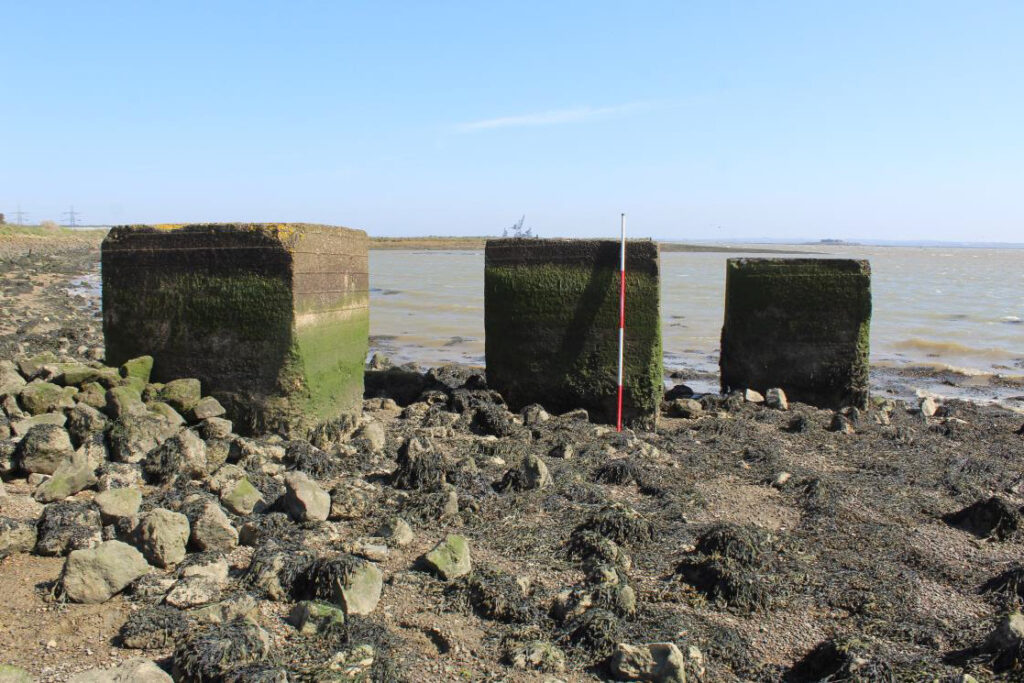
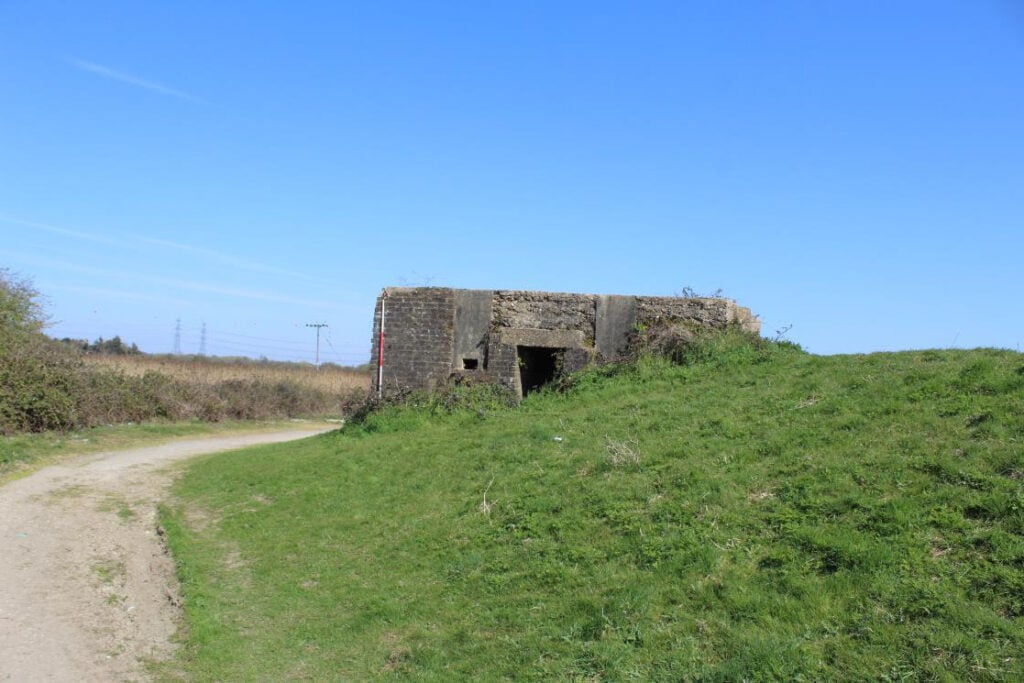
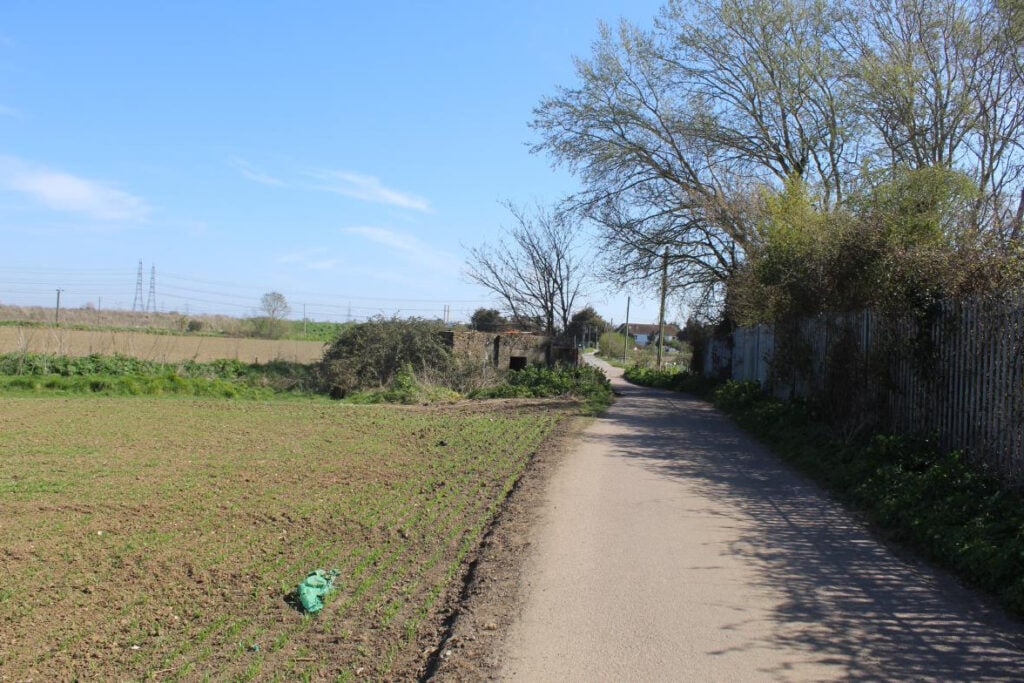
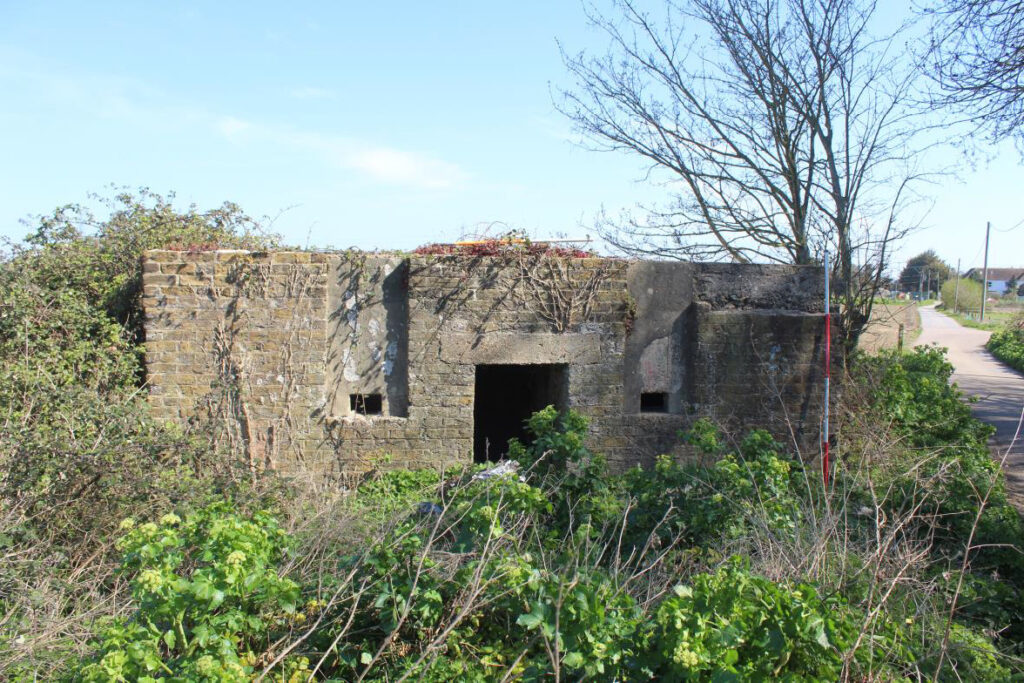
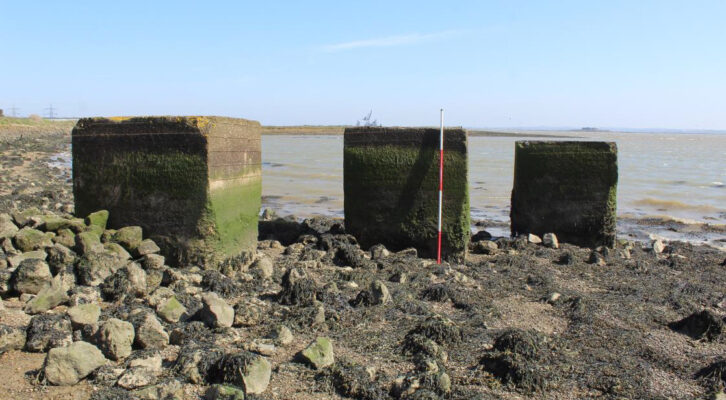
The archaeological assessment determined that the potential of the site with respect to the prehistoric, Romano-British, medieval, and post-medieval periods was High. In terms of prehistoric archaeology, this assessment reflected the potential for the proposed works to encounter well preserved paleoenvironmental material, as well as the presence of a series of possible prehistoric cropmarks within the site and the large number of prehistoric finds recorded on the Kent Historic Environment Record in the landscape surrounding the site. The assessment of Romano-British archaeological potential reflected the fact that significant evidence for Romano-British activity was recorded within the landscape surrounding the site on the Kent Historic Environment Record. In terms of the potential for encountering evidence of medieval and post-medieval activity, the assessment was based upon the likely location of the site within an area of reclaimed medieval farmland, as well as fact that a number of features associated with the Second World War GHQ Stop Line were recorded in close vicinity to the site.
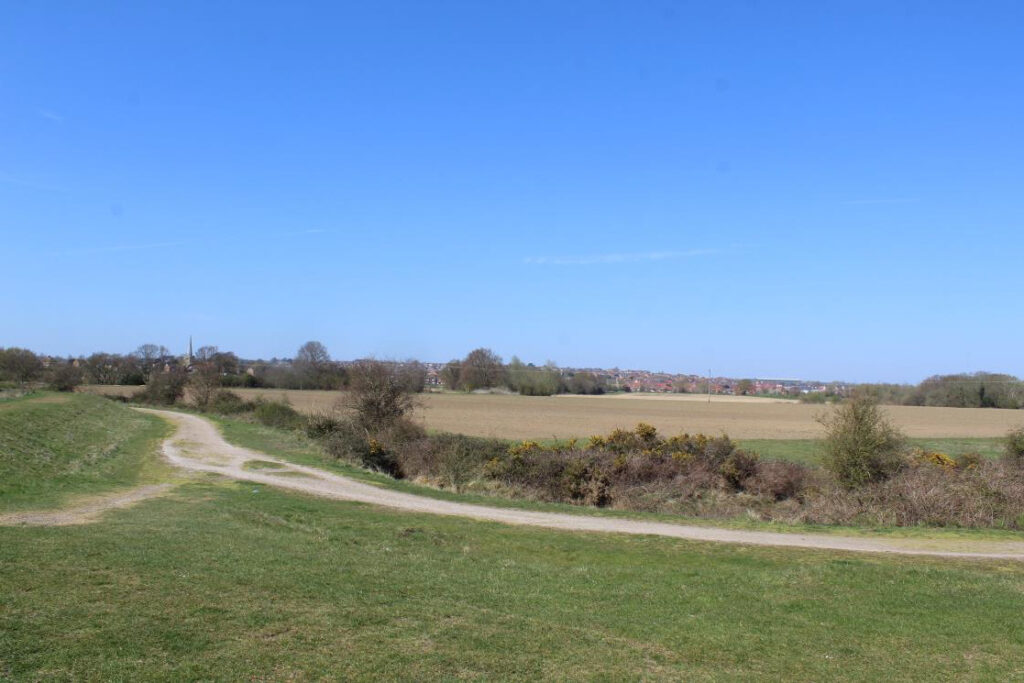
The heritage assessment determined that the overall potential impact of the proposed development was Moderate to Large. This assessment of impact reflected the level of intervisibility between the proposed development, and a number of Grade II Listed Second World Two Defensive Structures, as well as the limited potential visual impact the proposed development may have upon significant views of the spire of a Grade I Listed church from nearby public footpaths.
Results
The assessment determined that there was a High potential for archaeological remains to be encountered during the proposed works, and that the development would likely have a Moderate to Large impact in terms of built heritage. The completion of the Archaeology and Heritage Assessment allowed the application for planning permission to progress.