

Archaeological Excavation, Bridgnorth
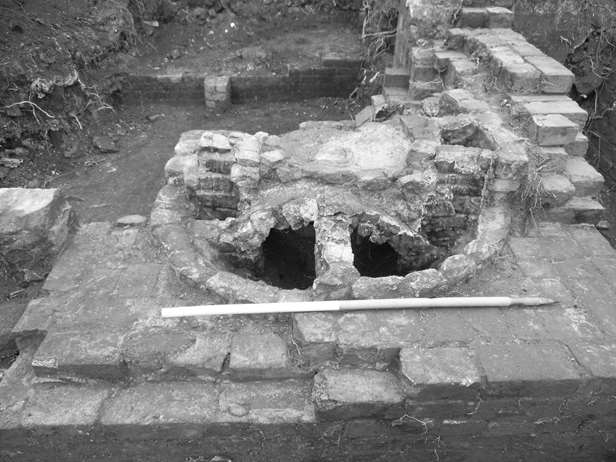
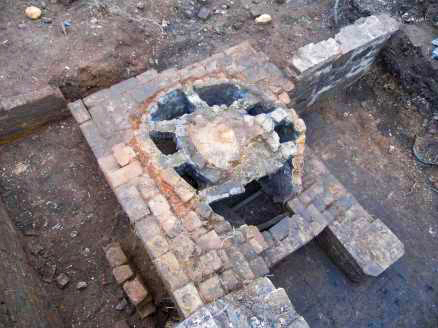
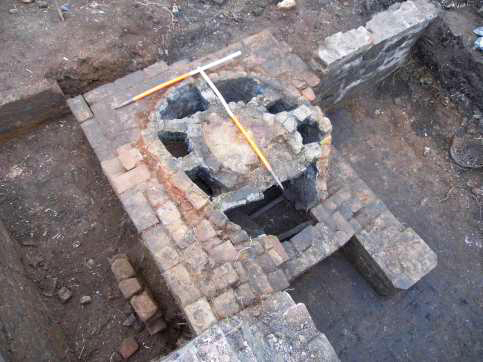
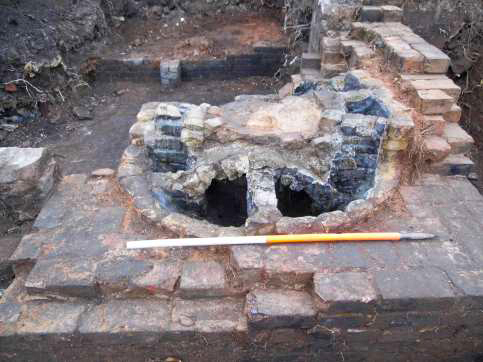
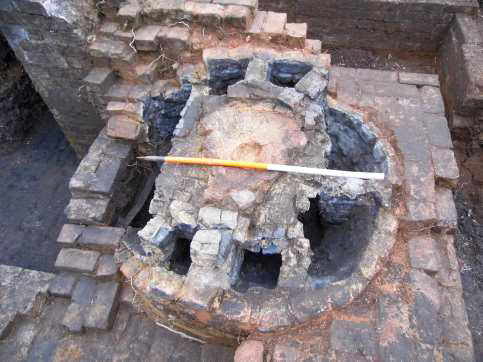
Following an Archaeological Desk-Based Assessment and Archaeological Evaluation, a programme of Excavation was undertaken, focusing on the clay tobacco pipe kiln identified in the previous phase of works.
In Brief
Archaeological Desk Based Assessment
Archaeological Evaluation
Archaeological Excavation
Key Points
- From the Archives
- The clay tobacco pipe kiln base that was found was regarded as being of national importance
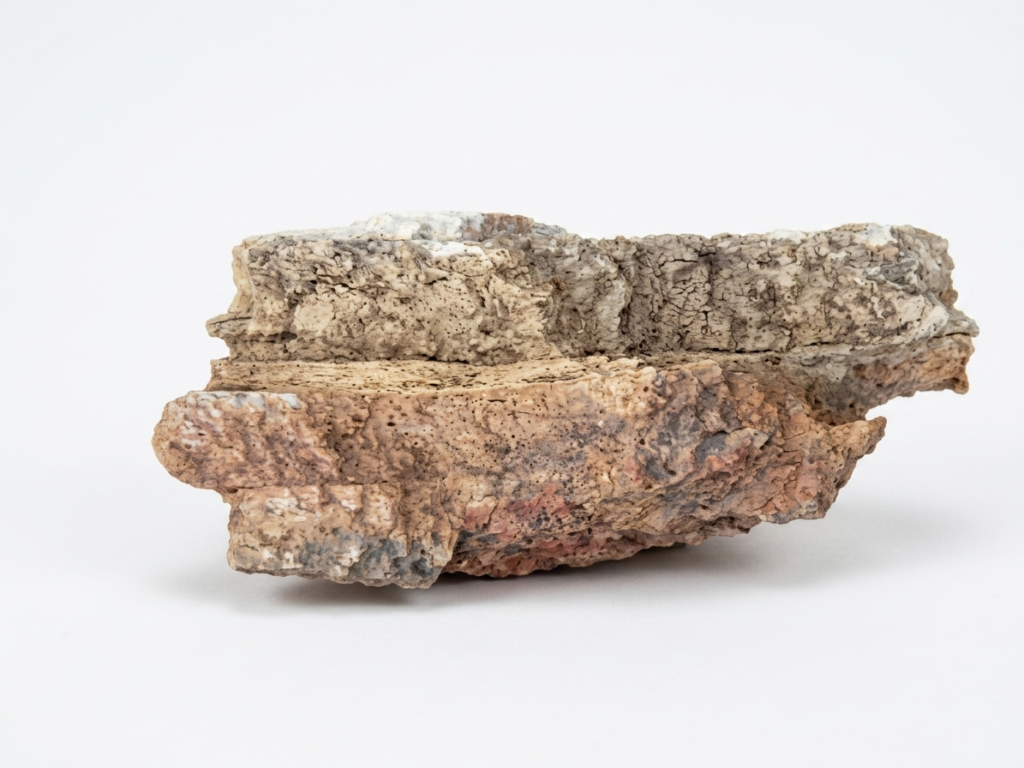
- It includes fragments of sagger or kiln furniture of a form that had not been previously recorded and that are of unknown function
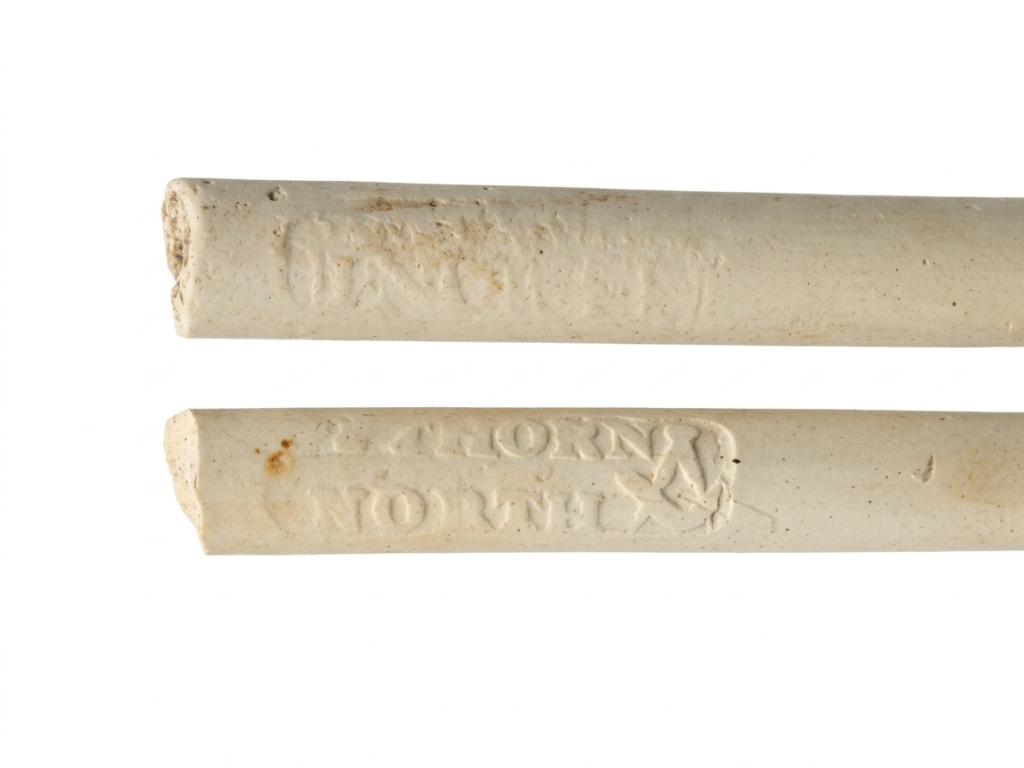
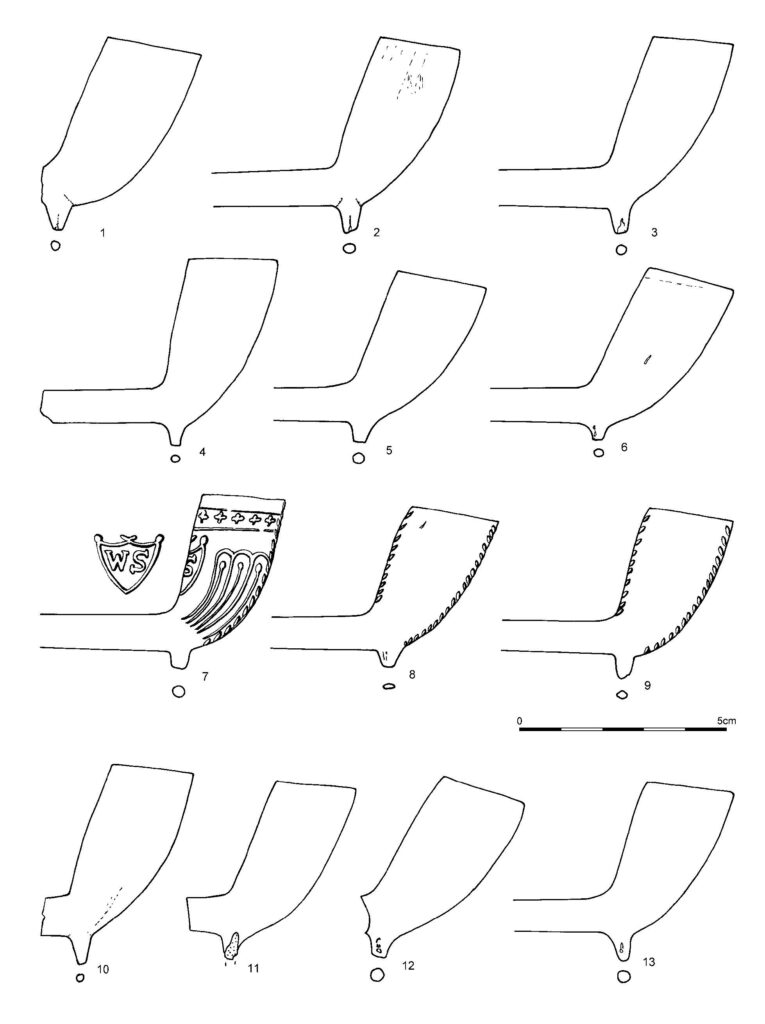
- At least 27 different designs of clay pipe were manufactured on site
- Further structures were uncovered, representing the SE corner of the factory
Summary
This programme of work followed two previous evaluation excavations carried out by BA in 2002 and 2007, which encountered remains of the former pipe manufactory established by Thomas Parsons Southorn Jr. in about 1822, which continued to be run by his family until its closure c. 1886.
The area examined during the excavation was limited to that occupied by, and in the immediate vicinity of, the clay tobacco pipe kiln, with the further constraint that it was not possible to exceed the engineering depth across the site, this being agreed with Shropshire County Council for understandably pragmatic reasons. A considerable portion of the Southorn clay tobacco pipe factory was lost during realignment at the northern end of Pound Street.
Samples of clay pipe were taken only from securely stratified deposits. In the event, it was apparent that a number of dumped deposits containing wasters from the kiln had been substantially disturbed during recent levelling. The majority of this disturbance appeared to have occurred during the 20th century but more recent disturbance had taken place following the demolition of the last standing wall of the factory in 2013.A decision was subsequently made to preserve the structure of the kiln itself beneath the development and a further site visit was thus undertaken to observe the factory wall and stone wall being lowered. The kiln was then covered with sand and protected by concrete beams.
Results
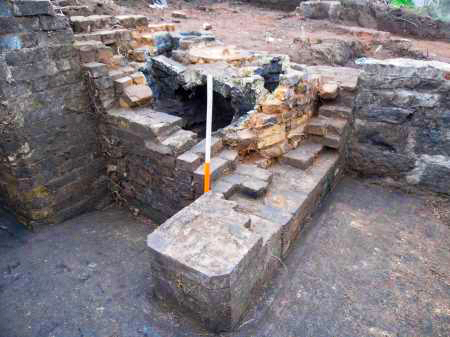
The clay tobacco pipe kiln identified during the previous evaluation was excavated, together with further structures representing the southeastern corner of the factory complex.
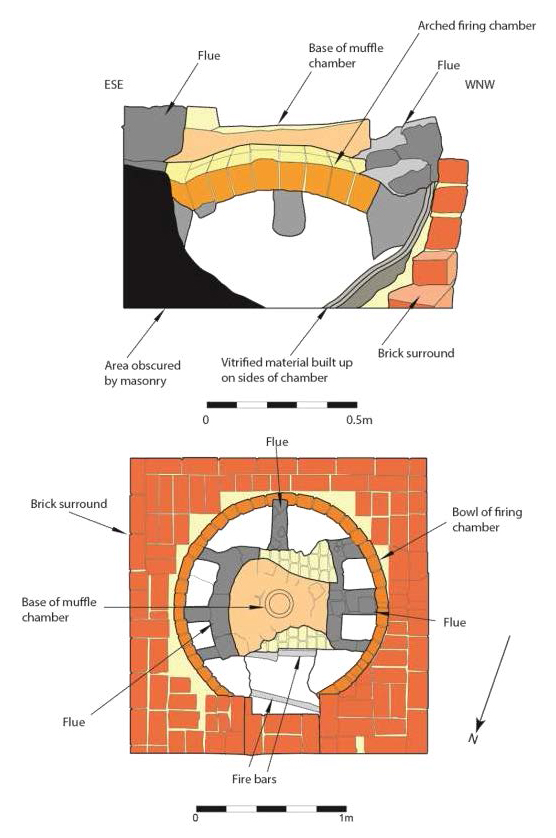
The kiln base that was found during this work was regarded as being of national importance:
- It was the most complete kiln base ever excavated
- It includes construction techniques unparalleled on any other known site
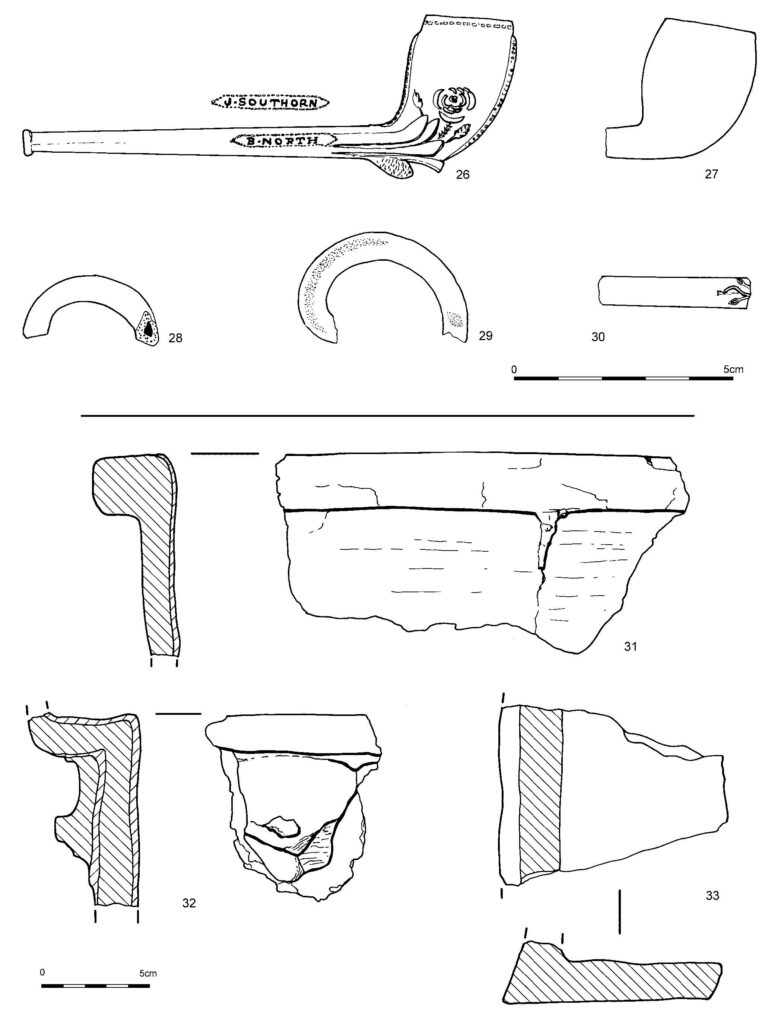
- It includes fragments of sagger (which contains the pottery to protect it from direct contact with the
- flame during firing) or kiln furniture of a form that has not been previously recorded and that are of unknown function
- the construction technique used for the muffle (the inner chamber inside the firing chamber) is extremely unusual
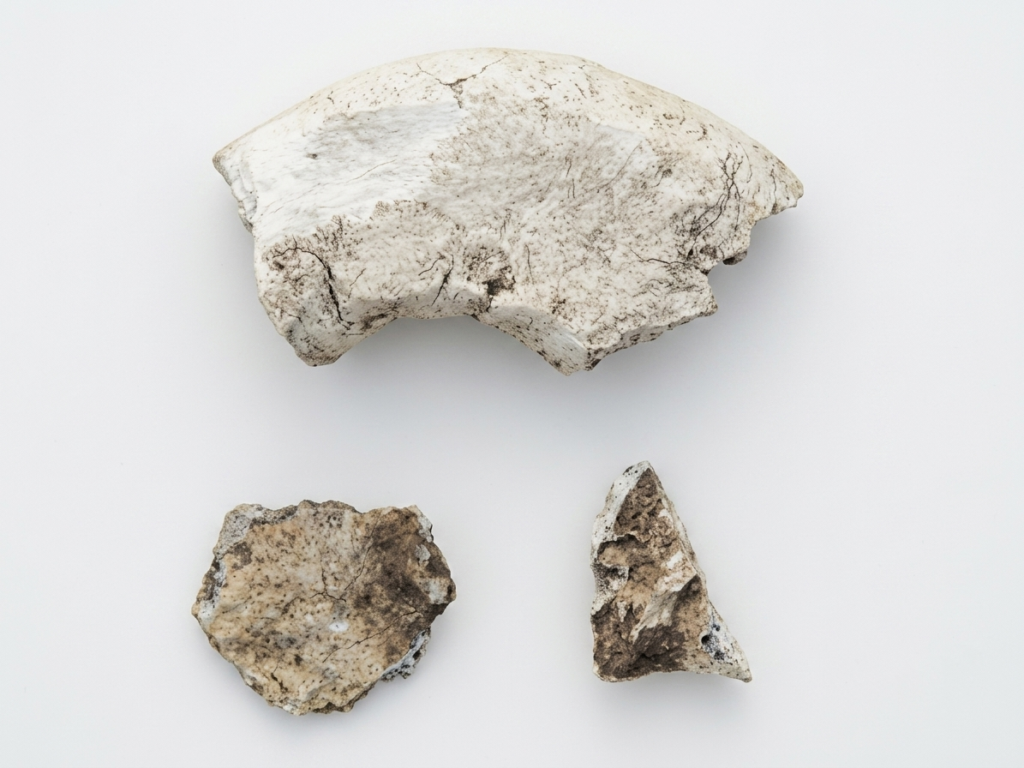
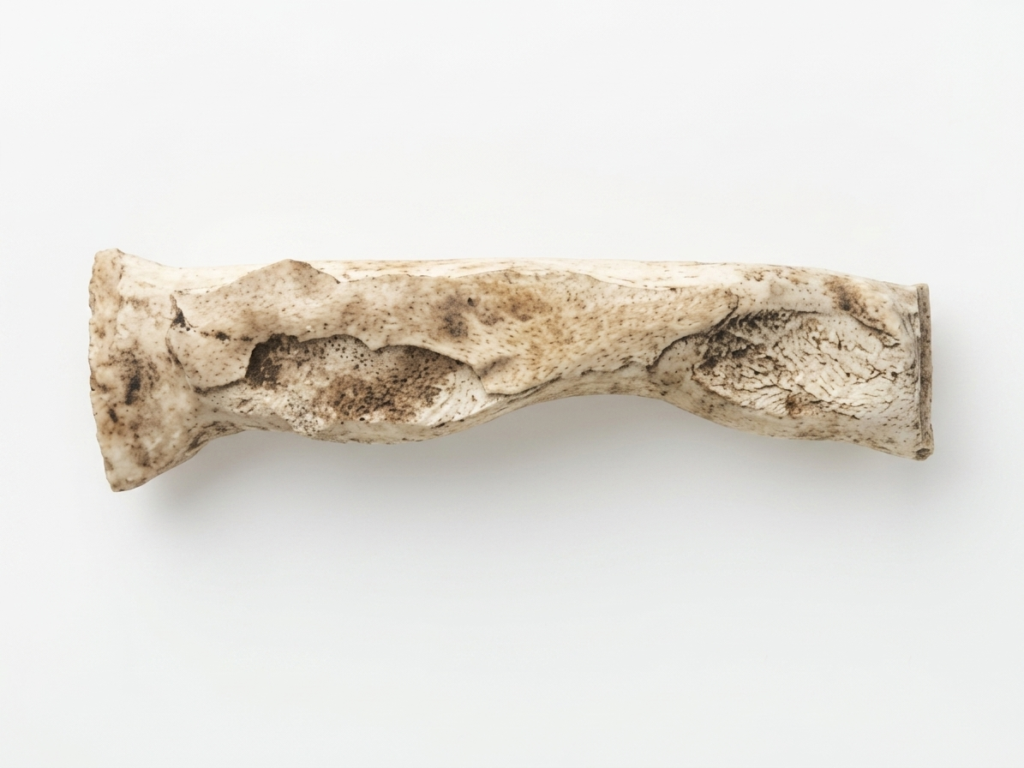
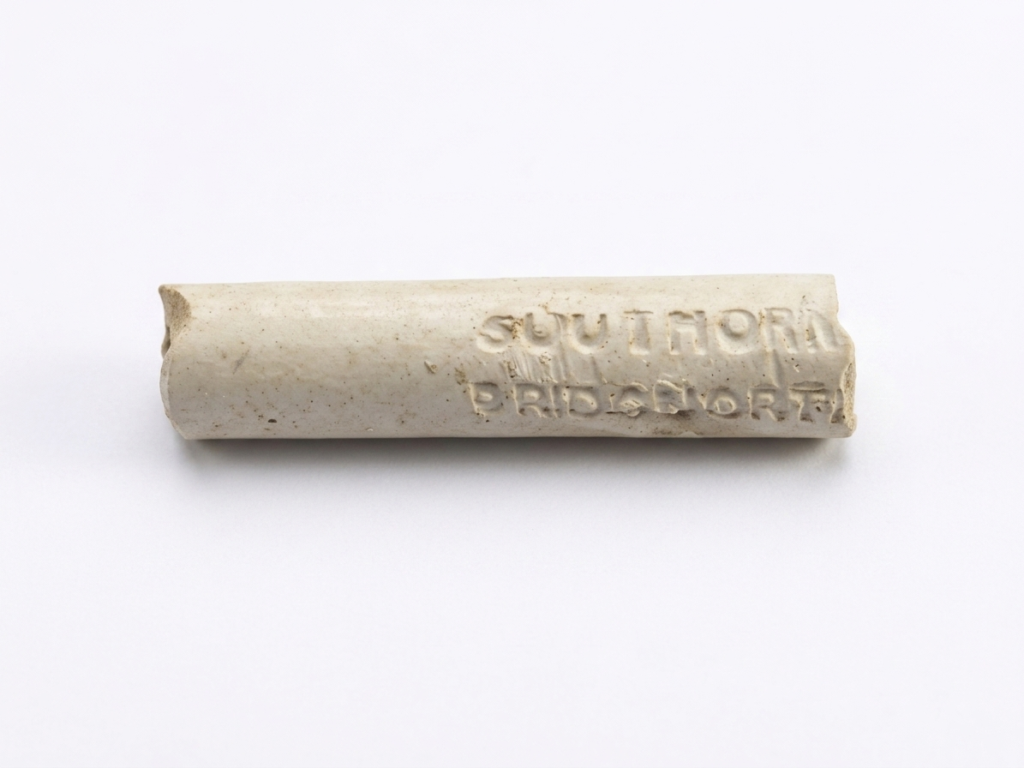
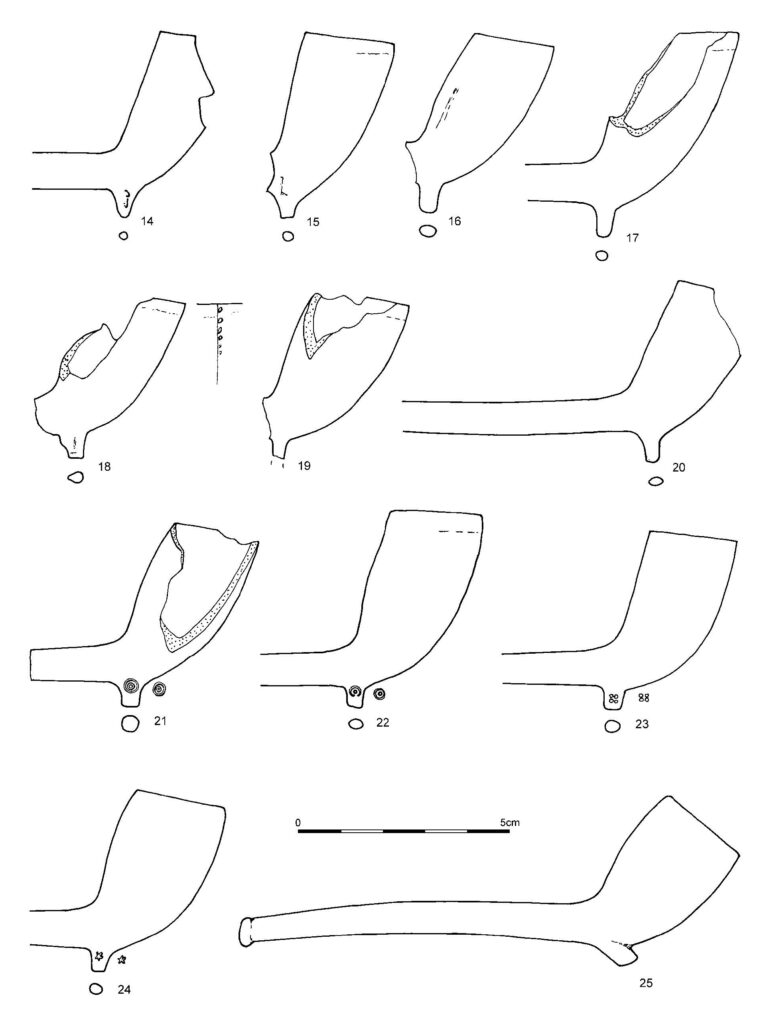
A quantity of kiln debris was recovered, including fragments of the kiln’s muffle chamber and clay-pipe ‘wasters’ (deformed or otherwise defective ceramic items discarded at manufacture), with the pipe wasters revealing that at least 27 different designs of clay pipe were manufactured on the site.
However, despite the clearance of an irregularly-shaped area measuring some 18m in length and a maximum of 12m wide, no evidence was found for any of the processes associated with pipe manufacture, apart from the kiln itself and the eastern wall of the factory. This is probably a result of alteration for the later use of the building as a watch factory, the realignment of Pound Street and the subsequent clearance of the site in the 21st century.
Whilst the majority of finds and features related to the clay-pipe factory and were of later post-medieval date, two post-medieval features were thought to predate the establishment of the factory and a short length of possible stone culvert was also found. The feature contained later 13th or 14thvcentury pottery, which suggests deposits and features of this date may survive in the locality, possibly relating to tenement plots that appear to have been established in the vicinity of Pound Street in the 13th century.